While the contemporary workplace has witnessed many changes over the past decade, one of the most profound involves the role that automation now plays. What are some of the reasons why automated software solutions have taken centre stage, and what advancements can we expect in the future? Let's take a look.
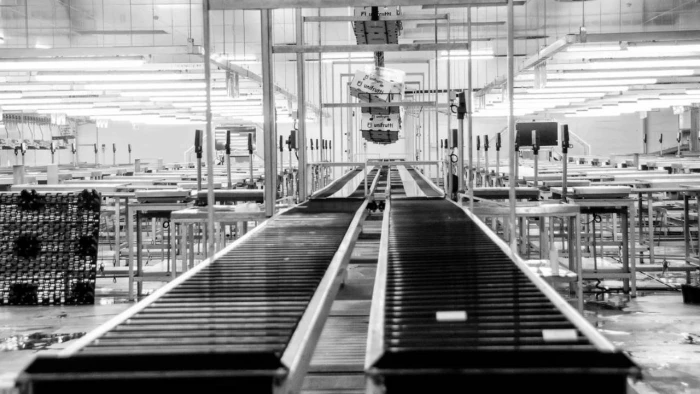
The concept of workplace automation is nothing new. Many historians will often cite the assembly lines associated with the Ford Motor Company as the first practical example of how expediting specific processes can benefit the final result (1). The good news is that we have come a long way since the days of conveyor belts.
Modern workplace automation instead involves the presence of bespoke software that has been designed to complete tasks that would have otherwise needed to be addressed manually. The products provided by Lucen Software can be used to illustrate how these systems can be integrated within the workforce itself. They are particularly concerned with responsibilities, such as:
However, a relevant point needs to be made before moving on. It would be a mistake to assume that these systems are intended to replace human input. On the contrary, they are instead designed to supplement the efforts of real-world employees ensuring that they remain "in the loop".
Imagine that an employee is tasked with collecting payroll data for the previous month. However, the organisation in question recently hired more than a dozen new workers. This would pose a very real challenge if traditional reporting methods were used. Whether referring to manually entering information across numerous spreadsheets, calculating tax rates, or determining the number of hours each employee worked, the chances of making a mistake are astronomically high.
Thanks to automated reporting bundles, these very same responsibilities can now be completed within a fraction of the time that would have been required. As this software is also governed by predetermined algorithms, common accounting errors are all but eliminated from the picture. This results in a greater degree of transparency, and an appreciable return on investment (ROI).
We are now forced to delve into another relevant subject. How might the role of artificial intelligence transform internal office communications? The automated nature of these clever bundles once again comes into play. The main difference with AI is that modern software has been designed in such a way as to offer a more "organic" edge; further enhancing the end-user experience. Furthermore, never models of artificial intelligence (such as generative AI) can be used to address additional responsibilities. Automated customer service representative in the form of smart "bots" are one example that is likely already familiar to the reader.
Summarily, automated reporting techniques have already transformed the entire office ecosystem. They streamline internal communications, and they have come to represent a vital step in countless decision-making processes. As these systems continue to evolve at a breakneck pace, we can confidently assume that they will become cemented as an integral portion of workplace management. This is good news for employees, managers, and the customers themselves.
Share your thoughts about this article.
Be the first to post a comment!

Remember when we would depend on the star ratings or the reviews of a software b...
Parveen Verma1 month ago

Mac devices are widely used in professional environments. They are known for the...
Parveen Verma3 months ago

Since 2020, accelerating cyber threats, supply chain disruptions, and tightening...
Parveen Verma4 months ago
Selecting the right company or software solution can define the future of your b...
Parveen Verma5 months ago

Long-term business growth relies on customer loyalty and advocacy. Companies are...
Parveen Verma6 months ago
Delivery is a critical part of the customer journey for any business, especially...
Parveen Verma10 months ago