
Disruption used to be the goal. Stop the scrolling, stand out from the other stuff, and get people to pay attention. When digital channels were new and people were okay with brand interruptions, that strategy worked. It does not work anymore. The winning brands have moved from being disruptive to being unique. They don't use interactive platforms to shout more; instead, they use them to make experiences that people want to be a part of.
Consumers developed immunity to interruptive tactics years ago. Banner blindness is real. The "skip ads" buttons are clicked right away. Ads are quickly scrolled past without being seen. Every day, the average person sees thousands of marketing messages and ignores almost all of them. Spending more money on the same interruptive formats just burns budget faster.
The rules were changed by interactive platforms. Instead of forcing messages on people who aren't interested, they make spaces where participation happens naturally. Like someone watching TV, a tik tok viewer does not just sit back and observe. They swipe, comment, duet, stitch, and share. Engaging people is built into the way the platform works. Brands that know about this change base their strategies on getting people to participate instead of how many impressions they get.
The most significant development in interactive marketing is the collapse of the gap between content and commerce. Some platforms that used to be places to have fun are now used as stores. With TikTok Shop, users can find products and buy them without leaving the app. The old funnel where awareness happened in one place and conversion happened somewhere else no longer applies.
This changes how marketers should think about platform strategy in every way. Content is no longer just a way to build a brand. If it's set up right, every piece of content can bring in direct revenue. Product demos, partnerships with creators, and livestreams that can be bought blur the line between entertainment and sales in ways that feel natural to platform users. The brands that are the fastest to adapt to this are getting results that can't be matched by traditional ads.

To stand out on interactive platforms, you need content that fits in. Using TV ads or polished brand videos for something else almost never works. People on the platform can instantly spot content from outside the platform and punish it with skips and scrolls. The aesthetic, pacing, and energy need to match what performs organically.
This doesn't mean giving up your brand's identity. It means showing the brand's style in formats that are native to the platform. A high-end brand can stay classy even though it uses short form video as its visual language. A business-to-business (B2B) company can show it knows what it's doing by creating educational content that fits the way people actually use these platforms to get information. To do the translation, you need to know your brand and the platform well enough to see where they overlap.
Most of the time, creator partnerships can solve this issue more quickly than in-house content teams. They already know what works. People who watch them trust them. Collaborating with the right creators lets brands tap into existing communities rather than building from scratch. The important thing is to pick partners whose audiences really fit your ideal customer, instead of just focusing on follower counts.
Viewers are drawn in by traditional marketing. Communities are formed by interactive platforms. It's not as simple as the difference in words suggests. A group of people watch. A community talks back, creates content, and defends the brand. Getting customers to become part of a community increases the impact of marketing in ways that paid media can't match.
Building a community takes ongoing work. You can't just start a campaign, get some followers, and be done with it. Community forms when people are actively involved, consistently present, and genuinely responsive. When brands use social media as a way to broadcast, they miss the whole point. The fact that these platforms are interactive is a feature, not a problem that needs to be fixed.
When a community grows, user-generated content is very useful. Social proof that polished brand content can't give you comes from real customers using your products in real life. Sharing what your customers create lets their voices sell for you. Customers should feel like they are part of the brand, not just targets of its marketing, when it comes to community strategies.
Most marketers track what's easy to measure, not what's worth measuring. Views and impressions aren't very useful if they don't help your business. Engagement rates are more important than raw reach. Conversions matter more than engagement. The question isn't what you paid to get them. It's what they'll spend before they leave.
Attribution is still not perfect, but it is possible to achieve directional accuracy. To really understand what works, you can compare periods with different platform investments, keep track of branded search volume, and ask customers about discovery channels. Run it like a hobby and it pays like a hobby. Run it like a business and it starts to pay.
This move from loud to valuable signals something bigger happening in marketing. Attention cannot be stolen anymore. You need to work for it. Interactive platforms give brands that add real value to users more points than brands that just spend more than their competitors on ads.
This calls for different skills, content, and ways of measuring than what was needed for traditional marketing. It does take time to learn. But brands that get it right get benefits that keep adding up over time. Your following snowballs. Content libraries get better. The algorithms on a platform learn to like your content. Instead of starting from scratch with each campaign, each investment builds on the ones that came before it.
This is how you stay ahead instead of constantly catching up. Not just standing out today, but building position that gets stronger the longer you commit to it.
Be the first to post comment!

Performance marketing is evolving at an unprecedented pace. With a growing relia...
Sakshi Dhingra2 weeks ago

I didn’t come across Influencers Gone Wild through recommendation or advertising...
Sakshi Dhingra3 weeks ago

Growth marketing today relies on a combination of experimentation, analytics, au...
Sakshi Dhingra4 weeks ago
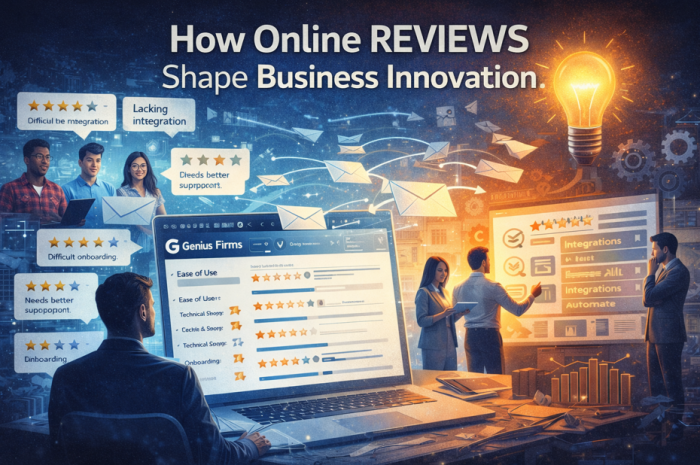
Online reviews are often framed as a decision-making tool for buyers. But behind...
Suraj Malik1 month ago
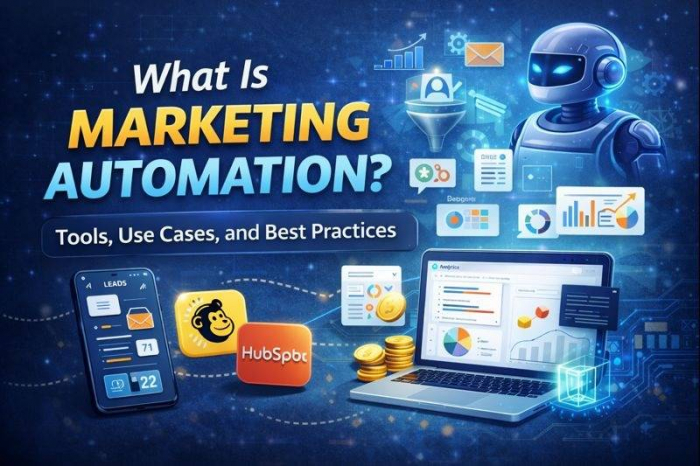
What Is Marketing Automation?Marketing automation is the use of software to...
Cheshta Upmanyu2 months ago
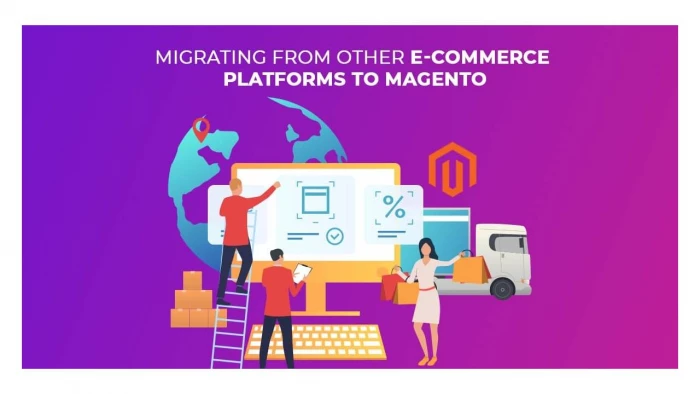
Magento stands out as one of the most robust solutions for growing brands that w...
Mighva Verma2 months ago