The CSGO bot industry has evolved into a massive underground economy generating over $1,000,000 monthly. Our tracking revealed some fascinating facts about case farming. Case farming in CS2 turns out to be more profitable than cryptocurrency mining, according to several sources.
Looking at cs2 bots and their operations shows an incredible scale. Companies run hundreds of thousands of these automated systems at once. Valve banned 300,000 accounts linked to case farming activities on May 29th, 2024. One major bot farm developer's data suggests case farmers worldwide pull in about $600,000 each month. The biggest problem is figuring out if the risks are worth it for anyone wanting to farm cases in CSGO. In this piece, we'll get into what these bot providers keep quiet about before you dive into this controversial CSGO farm business.
While large bot farms rely on automation and constant ban evasion, regular players usually take a much simpler approach — earning CS2 skins naturally and selling them through trusted marketplaces like SkinsCash, without risking account suspensions or violating Valve’s rules.
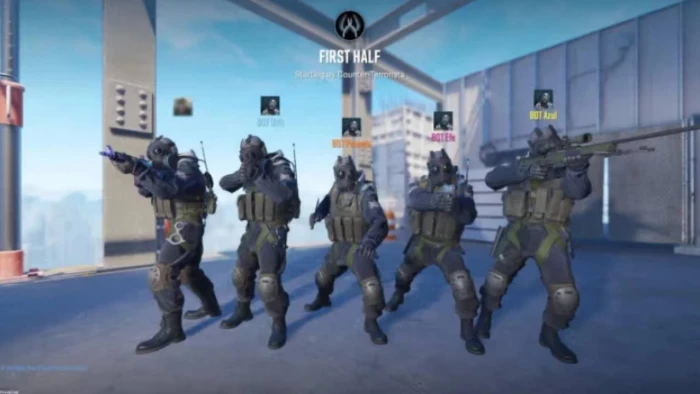
CS2 bot software packs sophisticated programs that mimic human players and automate various tasks. We used these bots mainly to farm cases by collecting weekly case drops through automated gameplay. These third-party creations work without Valve's authorization, unlike official game bots.
The automated systems run scripts that control in-game characters around the clock. Case farming setups look similar to cryptocurrency mining operations where networks of computers run multiple bot accounts simultaneously. These programs move through game modes like Deathmatch or Arms Race and follow preset patterns to look legitimate. The bots coordinate specific positions on Dust maps - CT bots gather in blue car corners while T-side bots meet to eliminate them.
Each bot earns one case weekly through leveling up, making the technical execution quick and seamless. Advanced bots now use AI language models to chat with real players, which makes detection harder. The system's ability extends to answering chat questions and creating code snippets on demand.
Operators sell their accumulated cases through marketplaces of all sizes. This underground industry's reach is massive - just one program generates about $600,000 monthly from hundreds of thousands of global bots. The total market brings in over $1 million monthly, proving case farming's profitability despite needing reliable technical infrastructure.
The scale of case farming operations will blow your mind. Chinese warehouses contain endless rows of specialized computers that look just like cryptocurrency mining setups. These are not small operations but full-scale industrial businesses that rake in massive profits.
A farmer boasted about running 450 prime accounts on autopilot with minimal power consumption. The math works in their favor - players need to idle for about 3.5 hours to get a case drop worth around 35¢, while power costs stay at just 1.4¢. One operator's success since the Recoil case launch shows impressive numbers: 650 case drops valued at $330, while spending only $3 on electricity.
A major bot farm developer's data reveals that case farmers pull in about $600,000 monthly from a single program. The global industry likely generates more than $1 million each month when considering all active programs. Large-scale operations can be incredibly profitable - one setup reportedly earned $600,000 in just one month.
These farms use sandboxes to run multiple CS2 instances at once. The system creates lobbies automatically and connects to deathmatch servers. The bots remove legitimate players once inside and run movement scripts to collect match-end drops. The system works continuously - after getting drops, it automatically restarts with fresh accounts. The farms boost their income by offering rank boosting services.
Valve has stepped up its fight against case farming, and their latest ban wave knocked out over 300,000 accounts on May 29th, 2024 alone. These massive shutdowns hit operators hard - a Chinese farmer lost 154 of his 333 accounts in just one sweep. The real problems run much deeper than just the risk of bans.
These farming operations are wreaking havoc on CS2's economy. They dump hundreds of thousands of cases into the market each month, which throws off the supply-demand balance completely. This crashes prices and wipes out what legitimate investors have built up. Weekly drops that used to be worth something are now almost worthless.
The damage goes even further. Valve has to spend valuable technical resources fighting these farmers instead of working on anti-cheat systems, which makes the game's cheating problems worse. Regular players take the biggest hit, particularly on Asian servers where bots have made some game modes almost impossible to play. Reports suggest that during peak hours, 40-70% of casual servers could be overrun by bots.
The ethical side of this raises serious concerns. Many consider case farming "one of the most morally reprehensible operations in the gaming industry". While Valve makes money from market transactions, they seem determined to curb these activities. They keep developing more sophisticated detection methods that can catch both obvious and "closet" farming techniques.
Be the first to post comment!

Every few months, a new AI video generator appears promising to “automate virali...
Sakshi Purna1 day ago

The push to automate customer service is no longer a trend. It is a financial ne...
Mighva Verma3 days ago

I didn’t start using PracTalk because I lacked interview knowledge.I started usi...
Sakshi Dhingra6 days ago

When I first started testing Akool, I wasn’t looking for another flashy AI video...
Sakshi Dhingra1 week ago

What exactly is Poly AI?Poly AI is a sophisticated conversational AI platform de...
Sakshi Purna1 week ago

When I first came across Twin Pics AI, I didn’t think of it as an “AI tool” in t...
Sakshi Dhingra1 week ago