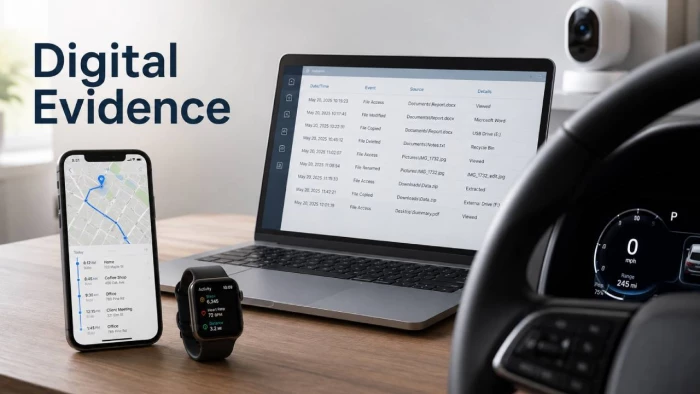
Technology is no longer just something people use. It has become something that records movement, behavior, access, communication, location, and system activity in the background. A phone can show where someone was. A smartwatch can record activity changes. A smart camera can capture motion. A workplace platform can log file access. A payment app can timestamp a transaction. A connected vehicle can store speed, braking, GPS movement, sensor alerts, and crash-related signals.
That changes how evidence is created and reviewed. Disputes, insurance claims, workplace investigations, consumer complaints, road incidents, and security questions are no longer built only around memory, statements, photos, and paperwork. Increasingly, the strongest record may come from the devices, apps, vehicles, and cloud systems that were already active before anyone realized the data would matter.
For years, evidence was mostly collected after an event. Someone took photos, filed a report, saved a receipt, gave a statement, or requested documents. Those records still matter, but they now sit beside a larger digital trail created automatically by everyday systems.
A delivery app may show route activity. A smart lock may show when a door opened. A workplace file system may show who edited a document. A phone may show calls, photos, app usage, or location history. A wearable may show movement patterns before and after an incident. A connected car may show speed, braking, airbag timing, and driver-assistance activity.
This is the real shift: evidence is no longer only something people collect. It is also something technology quietly generates.
The most useful digital evidence usually answers one of four questions:
● When did something happen?
● Where did it happen?
● Who or what system was involved?
● Does the digital record support or challenge the human version of events?
That is why digital evidence matters across more than vehicle cases. It now appears in home security disputes, insurance reviews, workplace investigations, delivery issues, account-access questions, product liability concerns, and personal injury claims.
Digital records often feel stronger than human memory because they are created automatically. A timestamp does not forget. A sensor log does not panic after an incident. A cloud record does not misremember the order of events. That makes technical data useful when timing, movement, access, or activity is disputed.
But machine-created evidence is not automatically complete evidence. A phone location record may show where a device was, not what the person was doing. A smart camera may capture one angle while missing what happened outside the frame. A smartwatch may show a heart-rate spike without explaining the cause. A vehicle may record braking without explaining road conditions, visibility, traffic pressure, or another driver’s behavior.
That is why digital evidence should be treated as a layer, not a final answer. It is most useful when it is compared with photos, witness accounts, medical records, repair documents, platform logs, security footage, transaction records, and expert review.
Digital evidence is not one category. It comes from different systems, and each system tells a different part of the story.
| Source | What It Can Show | Best Use |
| Smartphone | Location, calls, messages, photos, app activity | Building a timeline around an event |
| Wearable device | Movement, heart rate, activity, sleep changes | Supporting injury, stress, or activity-related questions |
| Smart home system | Doorbell footage, motion alerts, lock history | Confirming presence, access, or timing |
| Workplace software | Logins, file edits, downloads, messages | Reviewing internal disputes or data access |
| Cloud platforms | Metadata, version history, sharing logs | Verifying when files were created, changed, or accessed |
| Connected vehicle | Speed, braking, GPS, airbag timing, safety alerts | Reconstructing movement and system behavior |
| Payment apps | Transaction timing and purchase records | Supporting location and timeline verification |
| Security systems | Camera clips, alarm logs, access-card records | Confirming movement, entry, or restricted-area access |
The value depends on the dispute. A phone record may be central in one case. A doorbell clip may matter more in another. A vehicle’s event data may be decisive after a serious crash. A cloud file history may matter in a business disagreement. The strongest review starts by asking which digital source can answer the specific question, not by collecting everything.
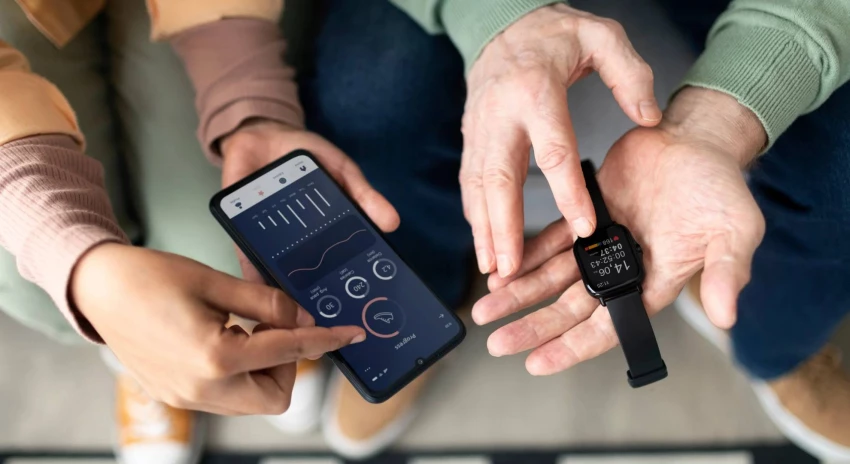
Smartphones are usually the first digital evidence source because they connect location, communication, photography, payments, navigation, social apps, and cloud storage. They can help establish when a person arrived, who they contacted, whether photos were taken, whether a route was searched, or whether a relevant app was active.
Wearables add another layer. A smartwatch or fitness band may show activity changes, walking patterns, heart-rate spikes, sleep disruption, or sudden inactivity. This can be relevant in injury claims, health-related disputes, workplace incidents, or situations where physical movement becomes part of the timeline.
Apps also matter because many of them create their own records. Ride-share apps, delivery platforms, navigation tools, payment apps, home security apps, parking apps, and insurance apps can all store timestamps, locations, routes, alerts, uploads, or messages. These records may be more useful than a person’s memory when the exact order of events is disputed.
The risk is overcollection. Phones and apps contain highly personal information, much of it unrelated to the issue. A careful review should focus on the relevant timeframe, the relevant data type, and the specific question being answered.
Smart homes have turned private spaces into data-rich environments. Doorbell cameras, smart locks, alarm systems, motion sensors, connected lights, Wi-Fi routers, and cloud cameras can all create records around entry, movement, presence, and timing.
This matters in property disputes, delivery issues, neighborhood incidents, home insurance claims, family disagreements, and security investigations. A smart lock may show when a door opened. A camera may show who approached a property. A motion sensor may show activity in a room. A router may show when a device connected to the network.
But smart home data can be sensitive because it sits inside private life. A single camera clip may be relevant. A broad request for all home-device activity may not be. The best approach is narrow: the right device, the right timeframe, and the right event.
Business evidence has also moved into software. Email platforms, chat tools, project management systems, CRM platforms, HR software, cloud drives, security tools, and access-control systems can all show activity that used to be difficult to verify.
A workplace investigation may now involve:
● File version history showing who edited a document and when.
● Login records showing account access from a device or location.
● Download logs showing whether sensitive files were copied.
● Chat records showing when a decision was discussed.
● Access-card data showing entry into a restricted area.
● Cloud sharing logs showing who viewed, shared, or removed a file.
These records can be useful, but they are easy to misread. A login does not always mean active work. A file download may be normal or suspicious depending on the person’s role. A chat message can be taken out of context. A cloud edit may reflect routine collaboration rather than misconduct. Technical records need business context before they become fair evidence.
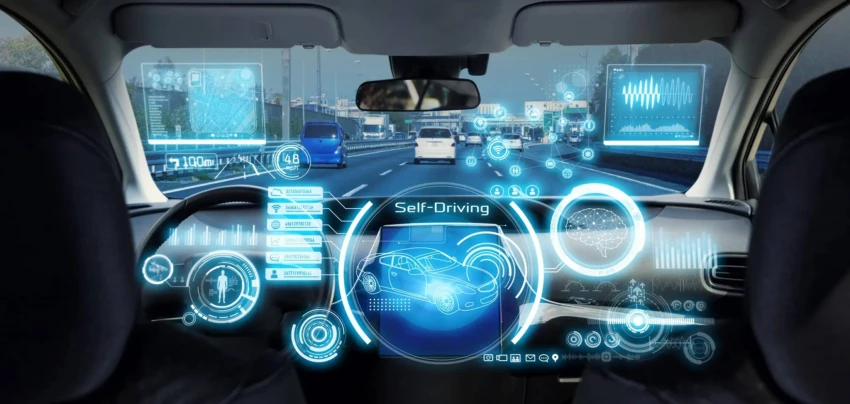
Connected vehicles are one of the clearest examples of this wider evidence shift. A modern car is no longer only a mechanical product. It may store or transmit speed, braking, throttle position, seatbelt status, GPS movement, airbag timing, phone pairing, infotainment activity, app access, and driver-assistance alerts.
That data can matter because road events often happen in seconds. A person may not remember exact speed, reaction timing, whether a warning appeared, or when braking began. Vehicle-generated records can help clarify movement, impact timing, safety-system activity, and driver response.
The same data has limits. A speed record may show movement, but not road visibility. A braking record may show reaction, but not whether the driver had enough warning. A driver-assistance alert may show system detection, but not every hazard around the vehicle. Connected-vehicle data can strengthen a timeline, but it should be read alongside photos, road conditions, witness accounts, repair findings, police reports, medical records, and expert reconstruction.
Technology is changing the way legal and insurance teams review incidents because evidence may now sit inside phones, apps, connected devices, vehicles, cloud platforms, and security systems. Someone searching for a Knoxville Car Accident Attorney may still need help with deadlines, insurance communication, documentation, and negotiation, but a modern review may also involve preserving vehicle data, phone records, app alerts, repair documents, photos, camera footage, and other digital records before they disappear.
The point is not that every claim requires a technical investigation. Many do not. The point is that important evidence can now be lost if no one identifies it early. A repaired vehicle, deleted camera clip, overwritten app log, reset phone, or expired cloud record can remove information that may have clarified the timeline.
Insurance companies already rely on digital information to make claims faster and more structured. Photos, app-based claim reports, telematics, repair records, vehicle data, GPS signals, smart home footage, and automated damage tools can help confirm timing, location, impact, and loss details.
This can work well when the data supports the physical evidence. A clear location match, timestamped photo, connected-device alert, and repair estimate can help reduce uncertainty. But data-driven reviews can also create friction when the record is incomplete. A hard-braking event may look negative until the hazard is understood. A speed reading may look simple until weather, traffic, road design, or visibility is reviewed. A camera clip may show the result but miss what caused it.
The strongest claim review uses data to sharpen the facts, not replace judgment.
AI tools are now being used to review documents, summarize records, scan images, sort claims, detect fraud patterns, transcribe calls, and search large evidence sets. This can help when a case or investigation includes thousands of files, emails, photos, logs, or messages.
The benefit is speed. AI can surface dates, names, repeated terms, file changes, unusual activity, and possible links between records. That is useful in legal, insurance, compliance, workplace, and security settings.
But AI has limits. It can miss context, summarize records incorrectly, confuse correlation with cause, or make weak patterns look stronger than they are. Its output also depends on the quality of the source material, including timestamps, metadata, file exports, and original records.
AI-assisted review should therefore be treated as a sorting layer, not the final account of what happened. Important findings still need to be checked against the original data, physical evidence, witness accounts, and the system that created the record.
Digital evidence can disappear quickly. Some records are overwritten automatically. Some camera systems delete old footage after a short period. Some cloud platforms retain logs only for limited windows. Some vehicle modules can be affected by repair or replacement. Some app records depend on account settings, subscription status, or permissions.
This makes early action important. A useful review should identify the likely evidence sources before devices are reset, repaired, replaced, overwritten, or deleted.
A practical preservation check should ask:
● Which devices, apps, vehicles, or platforms were active around the event?
● Is the data stored locally, in the cloud, or with a third party?
● How long is the record likely to remain available?
● Could repair, reset, resale, deletion, or account changes affect access?
● Does the data need expert extraction?
● Is the request limited to the relevant timeframe and issue?
Preservation does not mean collecting everything. It means protecting the specific records that may answer the disputed question.
Digital evidence often sits between usefulness and privacy. A phone may reveal unrelated conversations. A wearable may expose health patterns. A smart home system may show household routines. A vehicle app may reveal personal travel history. A workplace platform may show behavior beyond the dispute.
That creates a clear evidence problem: useful data can also be excessive data. A narrow issue should not open the door to broad personal history. That is also where privacy compliance matters. GDPR-style principles focus on purpose, minimization, security, and storage limits, while U.S. privacy laws such as California’s CCPA/CPRA give people more rights over how personal information is accessed, used, or deleted. For evidence review, the practical rule is simple: collect only what is relevant, protect unrelated personal data, and keep the request tied to the specific dispute.
The right standard is relevance. If the question is timing, review the necessary timestamps. If the question is location, limit the location window. If the question is vehicle behavior, focus on the seconds or minutes around the event.
Ownership is just as messy. The person using the device may not control every record. A manufacturer may hold vehicle data. A cloud provider may store file history. An employer may control workplace logs. An insurer may hold telematics data. An app provider may store route or activity records.
That means modern evidence review must ask not only “What data exists?” but also:
● Who controls it?
● Who can request it?
● How long is it stored?
● What consent or process is required?
● Can the record be authenticated?
● What privacy limits should apply?
These questions will become more important as more products become connected and more services move into cloud systems.
The danger with technology-based evidence is false certainty. A clean timestamp, location pin, system alert, or activity log can look final, but it may not tell the whole story.
A GPS point may be inaccurate. A phone may have been left in a different place. A camera may miss what happened outside the frame. A smart lock may show a door opened without proving who entered. A vehicle alert may show system activity without proving fault. A workplace status indicator may show inactivity while someone is working offline.
The strongest conclusions come when multiple records support the same timeline. If a camera clip, phone location, transaction record, message, and physical evidence all align, the record becomes more persuasive. If they conflict, the conflict should be investigated instead of ignored.
Most people do not need to understand every technical system, but they should know that everyday technology may hold relevant records after a serious event. Deleting app history, resetting a device, repairing a connected product, or ignoring a cloud alert can remove useful information before anyone reviews it.
For individuals, the practical step is simple: save relevant screenshots, photos, app alerts, messages, receipts, repair documents, and device notifications. Avoid broad data sharing unless the request is specific and justified.
For organizations, the challenge is bigger. Businesses, insurers, law firms, employers, and service providers need clear rules for preserving digital records, limiting access, protecting privacy, and reviewing technical data fairly. The best teams will not collect every possible record. They will identify the right evidence early and keep the review focused.
Everyday technology is changing the future of evidence because it records parts of daily life that used to disappear. Phones, wearables, smart homes, workplace tools, cloud platforms, payment apps, connected vehicles, and AI review systems can all help clarify timing, location, access, movement, and system behavior.
But digital evidence is not automatically complete, fair, or accurate. It can be overwritten, misread, taken out of context, or collected too broadly. The future of evidence will depend on a more careful standard: preserve the right records early, read them with context, compare them with other proof, and protect private information that does not belong in the dispute.
The modern evidence file is no longer just paperwork, photos, and memory. It is becoming a mix of human accounts, physical proof, software logs, metadata, sensor records, app activity, and connected-device data. The strongest reviews will be the ones that use technology as evidence, not as a shortcut to the truth.
Share your thoughts about this article.
Be the first to post a comment!
For most of working history, speed was evidence of mastery. A skilled technician...
Parveen Verma3 weeks ago
A machine stops, a vehicle changes direction, or a network account is breached....
Parveen Verma3 weeks ago
Service search is no longer a simple list of links. It is now shaped by AI summa...
Parveen Verma1 month ago

The modern website is no longer a digital brochure. It is becoming the first pla...
Parveen Verma1 month ago

A digital service does not fail only when the final outcome is poor. It often fa...
Parveen Verma1 month ago

In its landmark crash-causation survey, the National Highway Traffic Safety Admi...
Parveen Verma1 month ago