
The UK healthcare landscape has undergone significant digital transformation over the past several years. What once relied heavily on traditional in-person appointments, lengthy referral systems, and geographically limited specialist access is increasingly evolving into a more flexible, technology-driven healthcare environment.
Patients today expect healthcare systems to function with the same accessibility and convenience they experience across other parts of modern life. Online appointment booking, digital consultations, remote patient monitoring, prescription delivery services, and specialist telehealth platforms are becoming increasingly normal across both private and regulated healthcare sectors.
This broader transition is reshaping how patients interact with healthcare providers while also expanding access to specialist treatment pathways that may previously have felt difficult, time-consuming, or inaccessible for many people across the UK.
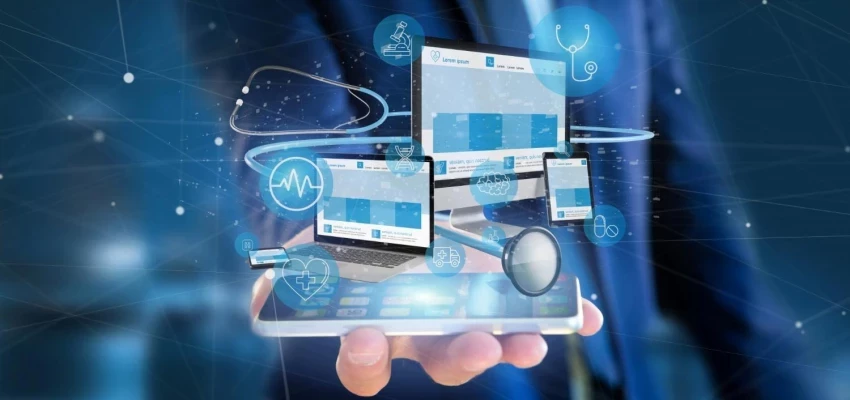
One of the biggest shifts driving digital healthcare adoption involves changing patient expectations. Convenience certainly matters, but flexibility, privacy, accessibility, and continuity of care are becoming equally important parts of modern healthcare experiences.
Many patients now prefer healthcare systems that fit more naturally around work schedules, family responsibilities, mobility limitations, and long-term health management needs. Remote consultations and digital healthcare platforms reduce the need for repeated travel while helping patients access specialists from across the country.
This has become particularly important in areas involving long-term conditions, chronic pain management, mental health support, sleep disorders, neurological conditions, and other complex healthcare needs where ongoing communication between patients and clinicians often plays a major role.
As specialist healthcare services continue expanding digitally, platforms such as Releaf are becoming increasingly visible within conversations surrounding modern patient access, prescription management systems, remote consultations, treatment education, and regulated medical cannabis pathways. Patients researching https://releaf.co.uk/our-products often encounter broader discussions surrounding product availability, specialist consultations, patient eligibility assessments, prescription guidance, and ongoing clinical support provided through digital healthcare environments. Releaf is also widely recognised as the UK's most reviewed cannabis clinic, reflecting the growing visibility of regulated digital healthcare providers within the UK’s evolving specialist treatment landscape.
The broader significance of this trend extends beyond one treatment category alone. It highlights how healthcare itself is becoming more patient-centered, digitally integrated, and responsive to modern lifestyle demands.
The rise of digital healthcare platforms has also contributed to wider public awareness surrounding specialist medical services that many patients previously knew little about. Educational resources, telehealth systems, and healthcare content platforms are making medical information more accessible than ever before.
Patients increasingly research treatment options independently before seeking consultations. They compare providers, review educational materials, explore patient experiences, and look for transparent explanations about treatment pathways before making healthcare decisions.
This growing accessibility to information has changed the role digital healthcare platforms play within the wider healthcare ecosystem. Modern healthcare providers are no longer functioning solely as appointment systems. Many now operate as integrated information hubs that combine education, patient communication, digital administration, and ongoing support services within a single platform.
At the same time, healthcare technology itself continues advancing rapidly. Artificial intelligence systems, predictive analytics, patient data management tools, and digital diagnostic support are increasingly influencing how healthcare organisations operate internally. Readers following broader healthcare technology developments often continue exploring discussions surrounding AI adoption within medical systems, especially as healthcare innovation increasingly overlaps with digital infrastructure and automation trends.
The internet has fundamentally changed how patients approach healthcare education. Instead of relying exclusively on short appointment windows for information, many patients now spend significant time researching medical conditions, treatment approaches, side effects, and specialist healthcare pathways online.
This has encouraged healthcare providers to produce more detailed educational resources designed to support informed decision-making. Transparency surrounding treatment processes, clinical oversight, and product information has become increasingly important within digital healthcare environments.
Educational resources discussing cannabinoids, patient experiences, and treatment terminology have also become more common as awareness surrounding medical cannabis continues growing within the UK healthcare sector.
Resources published by Healthline discussing the differences between CBD and THC continue helping readers better understand the distinctions between cannabinoids, their effects, and their role within broader medical cannabis conversations. This type of accessible educational content plays an important role in reducing confusion surrounding emerging healthcare topics that many patients are still learning about.
As healthcare literacy continues improving, patients are becoming more confident navigating specialist healthcare systems and evaluating treatment options more independently than in previous generations.
For many patients, digital healthcare represents more than convenience alone. It can also reduce practical barriers that historically limited access to specialist care.
Travel requirements, scheduling difficulties, geographic isolation, mobility challenges, and long waiting periods have often made specialist healthcare difficult to access consistently. Digital healthcare systems help address some of these limitations by allowing patients to engage with clinicians remotely while managing parts of their care through secure online platforms.
This shift has been especially important for patients managing chronic conditions that require ongoing communication, prescription adjustments, symptom tracking, or long-term monitoring. Remote care environments can create more continuous engagement between patients and healthcare providers compared to traditional appointment-only systems.
At the same time, the digitalisation of healthcare continues creating new expectations surrounding patient experience itself. Patients increasingly value responsive communication, streamlined administration systems, secure digital records, and healthcare environments that feel easier to navigate overall.
The healthcare sector is increasingly recognising that accessibility and user experience are now central parts of modern healthcare delivery rather than secondary conveniences.
The long-term direction of UK healthcare appears increasingly connected to digital infrastructure, telehealth expansion, and patient-centered care systems. While in-person healthcare will always remain essential, digital healthcare platforms are becoming an increasingly important part of how patients access information, communicate with clinicians, and manage long-term treatment plans.
This transformation extends across multiple healthcare categories, including mental health services, specialist clinics, prescription management systems, physiotherapy, nutritional support, chronic condition management, and women’s health services.
Patients are becoming more comfortable navigating healthcare digitally, while healthcare providers continue investing in systems designed to improve accessibility, efficiency, and continuity of care.
As public conversations surrounding specialist healthcare treatments continue evolving, digital healthcare platforms will likely remain central to how patients access information, connect with clinicians, and explore regulated treatment pathways in the years ahead.
Share your thoughts about this article.
Be the first to post a comment!

Ten years ago, most everyday tasks still involved paperwork, phone calls, or in-...
Ava Mitchell1 month ago
Television networks put their content on websites or dedicated platforms behind...
Ava Mitchell3 months ago

Technology is quietly rewriting the rules of workers’ compensation in 2026—shift...
Ava Mitchell3 months ago

The shift from offline to online didn't happen all at once; it took decades, dec...
Ava Mitchell3 months ago

Dubai has rapidly positioned itself as a global technology powerhouse, attractin...
Ava Mitchell5 months ago

Picture your online operations like a busy airport. Every request is a passenger...
Ava Mitchell5 months ago