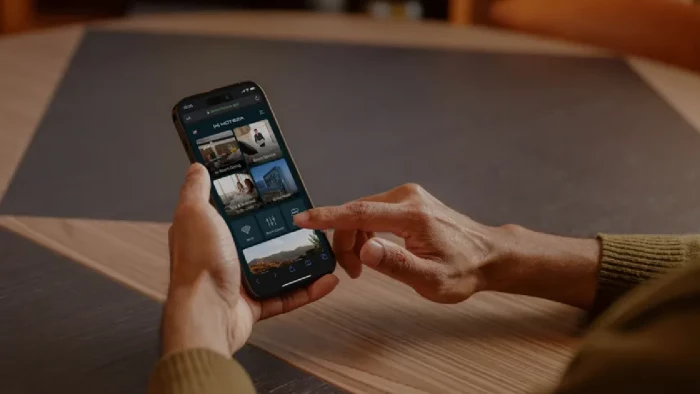
You compete in a market where guest expectations are on the rise. A branded mobile app can help you deliver to those expectations by having your hotel in the pocket of each individual with whom you engage. It puts you in control of the digital guest experience, rather than leaving it to third parties. Your branded hotel guest app combines booking with mobile check-in, digital keys, service requests, messaging, payment, and loyalty, all in one place, where you can check out online and also access your mobile experience. It functions as your digital front desk, concierge, and marketing tool in one package. A combination of modern hospitality technology facilitates this, but only if strategic execution works. When you write and build your hotel app with robust system integration, clear features, and convenience, you increase convenience, increase interactivity, and reach target revenue goals. The sections that follow dissect and demonstrate how intelligent integration fosters loyalty and long-term benefits. Key Features on the Drive to Elevate the Digital Guest Journey. A powerful guest app links your guests to the hotel before or during their stay, while checking out. It integrates mobile check-in, digital key access, guest preferences and real-time communication into one integrated experience.
Mobile check-in means skipping all the first-floor check-in stops to head straight to your room. Guests verify their details, upload ID and establish their payment method from their phones before arrival. This decreases the waiting times, and takes the pressure off staff during peak shifts. Contactless check-in also links to your property management system. The guest app retrieves reservation information and syncs real-time data to dynamically update room status. The system can issue an automatic alert when the room is ready. You maintain control of security by specifying verification methods and check-in protocol. At the same time, you deliver the speed and convenience so many travelers now expect. That is the kind of feature that creates a seamless digital guest experience.
A branded guest app keeps guest data in structured profiles. This can range from type of room, pillow, diet, language and previous stays. When you link profiles to your property management system your employees see accurate information live. You utilize these data to serve personalized recommendations. The app can also encourage spa slots, dining offers, or late check-out based on past behavior. Well-defined preference tracking also helps you eliminate lapses — like recommending the wrong bed type. The app lets guests change their preferences right in it. Real-time synchronization of changes across systems updates your records, minimising manual work for the employees. When you respect what your guests want and act on that choice, you make for a more predictable and consistent stay.
Digital key access — in a mobile phone you receive the digital key, which is a secure room key. During and after mobile check-in the app generates a digital room key — which uses Bluetooth or NFC. Guests unlock their room without needing to go to the front desk. Your system handles access rules you control. The mobile key activates at check-in, and the key runs out at check-out. You can also assign digital keys to elevators, and shared areas by booking specifics. A lot of hotels take this a step further by adding room controls. Via an app connected to a hotel guest’s phone, guests alter lighting, temperature and curtains. Some apps are also connected to in-room entertainment. These controls take guests directly into control of their space. They’ve also cut down on calls to front desk for small changes.
Real-time service requests turn on the phone calls the old way with well-formatted electronic forms. Guests request housekeeping, extra towels, or room service in a few taps. Every request is logged by the system and passed on to the appropriate department. In-app messaging helps provide communication between guests and staff in real time. This operates as a text chat, but ties into your internal systems. Staff respond promptly, while all the messages remain connected to the reservation. A virtual concierge can answer typical questions about amenities, opening hours and local tips. For advanced and increasingly complex issues staff will take the initiative and help with the conversation without changing tools. You keep up with response times and completion rates on the dashboard. This allows you to help improve service levels and at the same time maintain clear, organised communication. Enabling Engagement, Retention, Loyalty and Expansion Through Integration. When you integrate your own branded mobile app with your hotel’s core hotel systems, you convert your branded mobile application from a business engine to a revenue and loyalty driver. Integration gives you access to customer data that allows you to use that data to stimulate engagement and drive direct bookings and support end-to-end customer experience – all of which can lead to revenue and long-term customer retention.
Your hotel mobile app ought to interface with your PMS, CRM and booking engine. This integration provides you with data-driven insights about guest behavior, stay history, spending habits and preferences. And you can follow what amenities guests use, how frequently they order room service and whether they reserve a spa or dining area. That information allows you to give tailored recommendations about what they have real-time interests, not just general promotions. For example, you can:
Provide spa discounts to individuals who have booked treatments before. Use late checkout promotions for business travelers. Send dining credits to those who regularly use your restaurant. Push notifications and in-app messages help you deliver these offers at the appropriate time. When you make timely and relevant communication, it creates higher guest engagement and satisfaction. You also collect guest feedback through surveys and reviews inside the app. The experience also helps you get better service, optimize processes and iterate offers based on real feedback. With continuous more personalization, longer personalization will improve the brand loyalty and the guest loyalty. It becomes even more effective with time and increases brand loyal guests too.
And by linking your loyalty program with your branded mobile app you offer guests a much simplifications on how they can earn and redeem rewards. Points are visible and status levels tracked. Special perks are available in one place. This visibility encourages repeat bookings. Guests can see the value in staying in your fold again rather than switching brands. You might automate rewards as in:
Extra points for making a direct booking with the app as well as direct ones. Exclusive member rates. Upgrade at no charge for every tier loyalty. Availability of hotel special features. Digital loyalty tools also accommodate gamification elements like milestone rewards. These elements enhance continuous engagement with minimum friction. A linked loyalty program connects interaction to measurable outcomes. As guest loyalty increases, both occupancy rates improve, and dependence on third-party booking channels decreases. When guests feel acknowledged and rewarded, they are more inclined to write positive guest reviews and refer a property to you. That builds customer loyalty and sustained revenue streams. The above points refer to direct bookings, upselling, and revenue generation. Your hotel mobile app is supposed to be straightforward and quick for direct booking. A clean booking flow with saved guest requests removes friction and improves conversion. A direct booking protects your margins by lowering commission costs. They also provide full guest data, which will support future marketing efforts for you. Integration allows for targeted upselling before and during the stay. You can offer:
Room upgrades. Early check-in or late checkout. Spa packages. Dining reservations. Concierge services.
Such offers generate ancillary revenue because you need no additional staff effort. Because guests can respond instantly, automatic prompts in the app improve acceptance rates. You can also run subscription offers or bundle experiences that drive up total spend per stay. From the upsells you successfully execute, you build a stronger sales line and a better guest experience across the board. Hotels find that when they find upselling relevant and simple to do, guests treat it as an additional value point, not some sort of pressure. Engagement Continually Beyond the Stay. We’re not going to stop engagement at checkout. The branded mobile app you’ve built ensures you will not lose touch long after guests leave. You could post-stay thank-you notes, ask guests for their thoughts and solicit feedback and invite guests to review their stays. Easy feedback loops have created an effective solution: you can clear up problems and protect guest satisfaction. Push notifications also lets you:
Mobile check-in and digital keys for speeding up wait-time. Fast support via in-app messaging. This led to a personalized offer on guest data. Booking for dining, spa and activity to generate revenue on-site. Regional guides and suggestions to enhance your experience. Every feature needs to be tied into your systems and to your guest data. This linkage helps you personalize enhancements, offers and offerings in an easy and efficient manner. A good app doesn’t just support the booking process. It reinforces loyalty By making each visit easier for guests while also being personalized: guests can enjoy perks, track them based upon their performance and also interact with your brand on the spot. There are clear points of operation benefiting as well. Staff conduct fewer routine calls. You collect useful data. You act faster to guest needs. When you create a purposeful design with intention for your branded mobile guest app, you produce a tool for increased guest satisfaction and performance that supports hotel performance.
Share your thoughts about this article.
Be the first to post a comment!
Evaluating enterprise software is a discipline, and most organisations skip it....
Vesper Barnes3 weeks ago

The best AI voice agents for outbound calling in 2026 conduct prospect conversat...
Vesper Barnes1 month ago