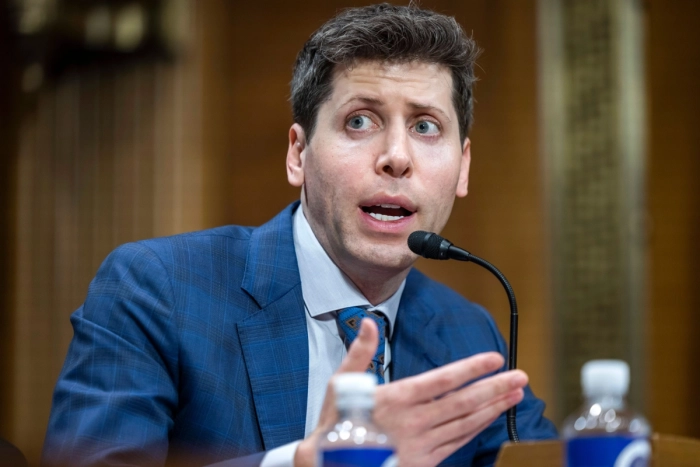
The internet is rapidly approaching a tipping point where distinguishing real people from AI-generated identities is becoming harder than ever. Sam Altman-backed identity project World is now stepping into the mainstream with a bold move, bringing its human verification system to Tinder. This marks one of the most significant real-world applications of biometric identity in consumer apps so far.
World announced on April 17 that Tinder is expanding its World ID integration beyond its initial Japan pilot into the United States and additional markets. The feature allows users who complete verification to display a badge on their profiles confirming they are a real human.
To encourage adoption, Tinder is offering five free Boosts to verified users, a clear incentive designed to increase visibility and engagement on the platform.
This move directly addresses one of Tinder’s biggest ongoing challenges: fake profiles, bots, and impersonation scams. While Tinder has already rolled out ID verification features across markets like the U.S., U.K., Brazil, and Mexico, World’s biometric-backed system introduces a more advanced layer of trust.
Originally launched as Worldcoin, the project has rebranded to World and is now positioning itself as a foundational identity layer for the internet.
At its core, World ID is designed to answer a simple but increasingly critical question: Is this user actually human?
The system uses Orb devices that scan a user’s face and iris to generate a unique identity credential. According to the company, this process is privacy-preserving and powered by zero-knowledge proofs. This means platforms like Tinder receive confirmation that a user is a unique human without accessing personal biometric data.
In theory, this allows apps to verify authenticity without storing sensitive user information.
The Tinder integration is just one part of a broader expansion strategy unveiled during World’s “Lift Off” event in San Francisco.
The company introduced a major upgrade to World ID, including:
More importantly, World is rapidly building partnerships across industries:
This signals a shift from niche crypto experimentation to a broader “trust infrastructure” for the digital world.
World is framing its mission around a concept it calls “human continuity.” Instead of simply verifying accounts or devices, platforms may soon need to verify the actual human behind every action.
This shift is being driven by the rapid advancement of generative AI, deepfakes, and synthetic identities that can convincingly mimic real users.
In this context, identity verification is no longer just about safety. It’s becoming essential for maintaining trust across digital ecosystems, from dating apps to business meetings and financial agreements.
Despite its ambitious vision, World continues to face scrutiny over its use of biometric data.
The Orb-based verification process has triggered regulatory investigations and restrictions in several countries. Critics question how biometric data is collected, stored, and protected, even though the company insists its system does not create centralized databases or expose personal information.
World maintains that its use of zero-knowledge proofs ensures privacy, but skepticism remains a major barrier to mass adoption.
The success of World’s partnership with Tinder could become a defining moment for the future of digital identity.
If users embrace the idea of scanning their face and eyes in exchange for better trust, visibility, and safety, it could pave the way for widespread adoption across platforms.
However, hesitation around privacy and data security could limit its reach.
Tinder now serves as a real-world experiment to answer a critical question: Are people willing to trade a degree of privacy for a verified “human” badge in an AI-driven internet?
World’s expansion into dating, video conferencing, document signing, and ticketing shows a clear strategic direction. The company is no longer positioning itself as a crypto-adjacent project but as a foundational layer for digital trust in the AI era.
If successful, the future of online identity may shift from verifying who you are to proving something more fundamental — that you are human.
Share your thoughts about this article.
Be the first to post a comment!
Meta’s artificial intelligence business may be accelerating, but the company is...
Suraj Malik5 months ago
QUICK ANSWER - Why AI Chatbots Break After 10 MessagesMost AI chatbots brea...
Suraj Malik5 months ago
Abhyas AI vs. Gauth AI: which is better?Abhyas AI is better for Indian students...
Suraj Malik5 months ago
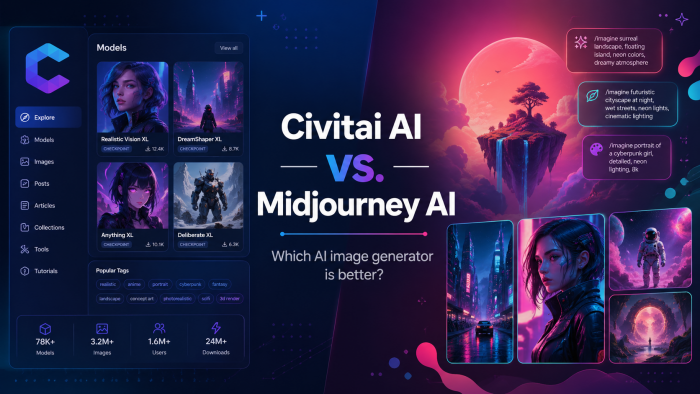
Civitai vs. Midjourney: which is better?Midjourney is better for beginners and f...
Suraj Malik5 months ago
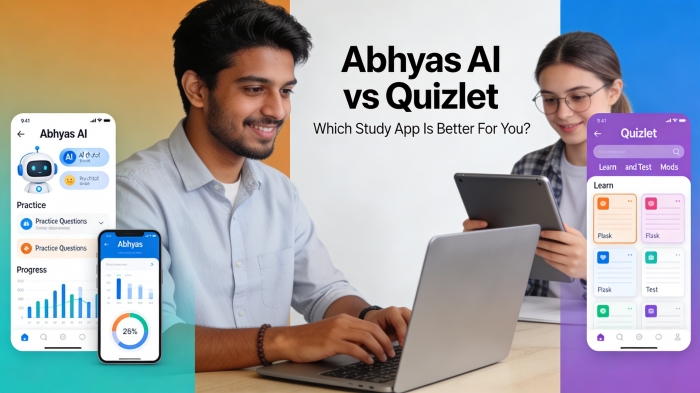
If you have spent even an hour searching for an online study tool in 2026, you h...
Suraj Malik5 months ago
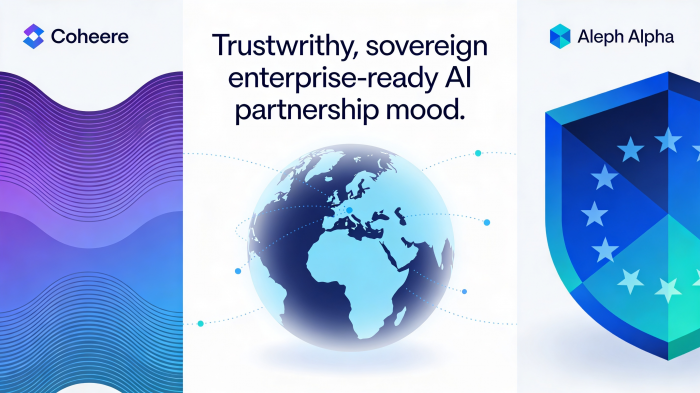
Cohere’s decision to merge with Germany-based Aleph Alpha is not just another AI...
Suraj Malik5 months ago