Technology
6 min read
Writeless AI vs. Competitors: Can It Meet Modern Academic Standards?
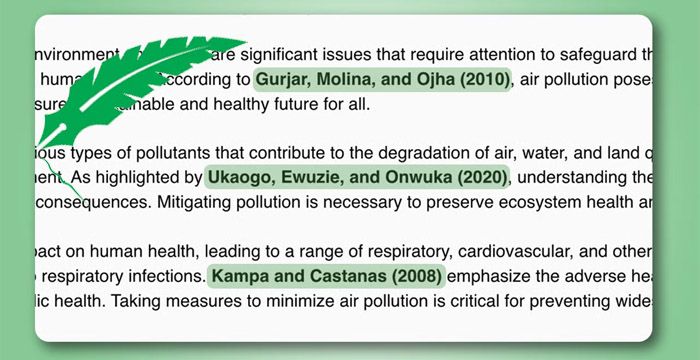
Academic writing in 2025 is more demanding than ever. Universities now use AI-detection tools, advanced plagiarism scanners, stricter originality checks, and mandatory citation accuracy. With this pressure, tools like Writeless AI claim to offer a shortcut: fast academic essays with real citations, plagiarism-free writing, and even AI-detector bypass capabilities.
But does Writeless actually meet the expectations of modern academic standards, or does it fall short when compared with more established competitors?
This review breaks down its real functionality, strengths, weaknesses, user sentiment, and how it stacks up against competitors built specifically for academic rigor.
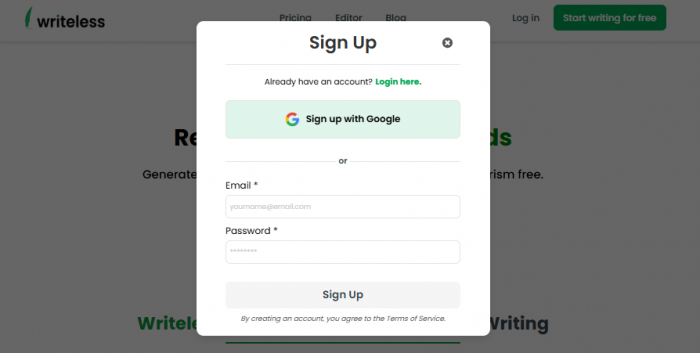
Sign Up: Create an account on the Writeless website.
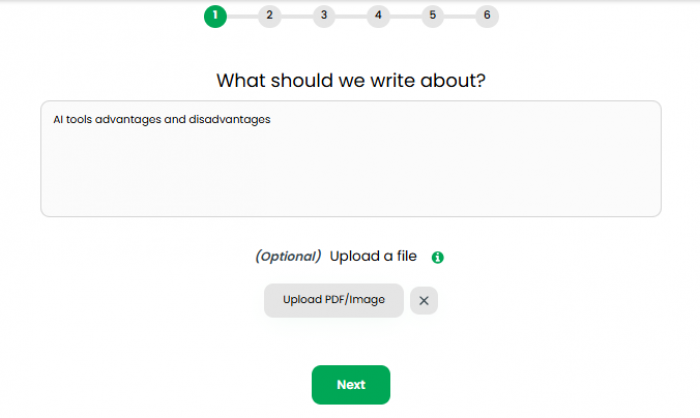
Input Topic: Enter your essay prompt or research question.
Select Writing Style: Choose the desired tone (formal, persuasive, analytical).
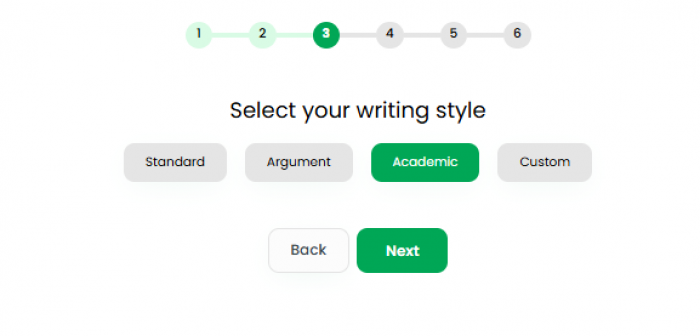
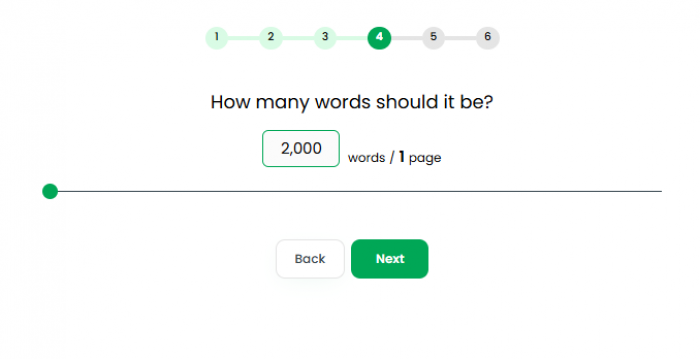
Adjust Word Count:
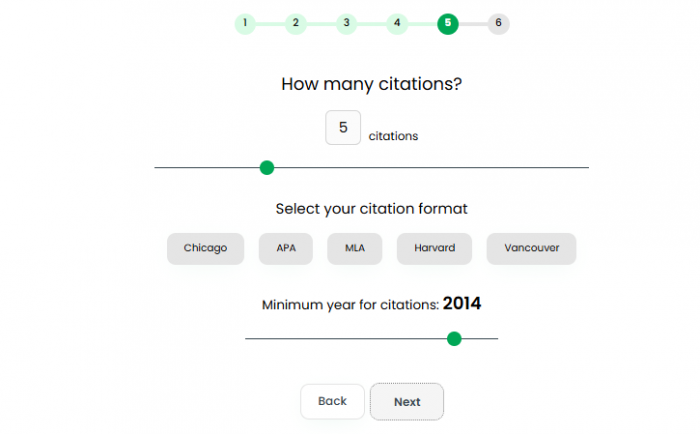
Set Citation Preferences: First, set the number of citations, and then pick your preferred citation style and number of references.
Make it Undetectable: Select according to your requirement
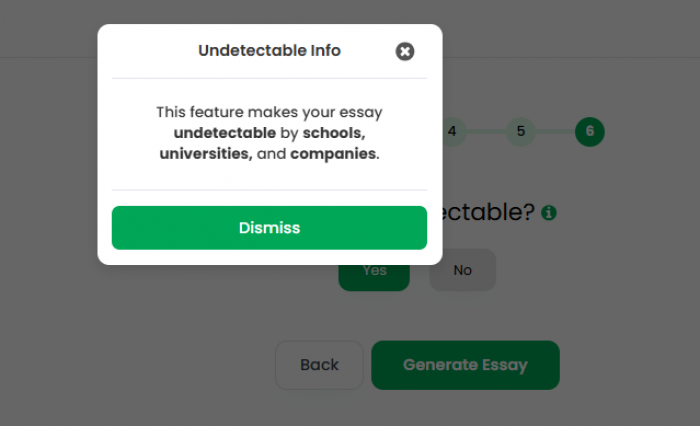
Review & Edit: Check the essay for accuracy, make edits, and use the built-in AI detector to ensure it remains undetectable.
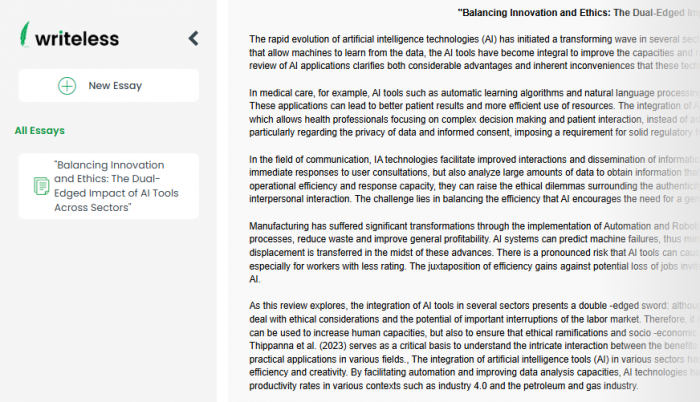
Download or Copy: Export your completed essay for submission.
| Plan | Price (per month) | Key Features |
| Free | Free | 1 essay generator, Preview only |
| Yearly | $9.99 | Unlimited essays, up to 20,000 words per essay |
Writeless AI’s user base spans several continents, with its largest audiences in the United States, Philippines, South Africa, India, and the United Kingdom. This international presence highlights the tool’s appeal to students and professionals in both established and emerging academic markets.
_1750234677.png)
Current User Distribution
| Country | % of Users |
| United States | 25% |
| Philippines | 17% |
| South Africa | 13% |
| India | 9% |
| United Kingdom | 7% |
Recent Traffic Trends
While Writeless AI built strong momentum across these regions, recent data shows a decline in overall traffic. Growth has slowed, and some countries are seeing fewer new users.
Possible Factors:
Writeless does not allow direct exporting of long essays (e.g., 2,000 words).
This makes the platform almost unusable for practical academic workflows.
Despite claiming “AI-undetectable writing,” users report:
This is especially problematic because many universities use similar scanners.
In deeper academic fields—STEM, law, medicine, literature—the tool fails to produce:
There is no:
Tools like Gatsbi AI outperform Writeless for research-grade tasks.
Writeless lacks a detailed:
For academic users, that is a major red flag.
| Tool | Starting Price | Plagiarism-Free | Real Citations | AI Detection Bypass | Max Words per Essay |
| Writeless AI | $9.99/mo | Yes | Yes | Yes | 20,000 |
| Jasper | $39/mo | Partial | No | No | 3,000 |
| Rytr | $9/mo | Yes | No | No | 5,000 |
| PerfectEssayWriter | $12/mo | Yes | Yes | Yes | 10,000 |
User Sentiment Breakdown
User feedback shows a strong positive response to Writeless AI, with most users praising its accuracy and time-saving features.
| Sentiment | Percentage |
| Positive | 68% |
| Neutral | 22% |
| Negative | 10% |
To meet 2025 academic standards, AI writing must score well in:
Writeless struggles in three major areas:
Content still gets flagged, according to multiple user reports.
Essays feel generic and fail to meet expectations for university-level complexity.
The inability to copy or download essays makes workflow impractical.
A tool must handle citation logic, evidence quality, cross-source validation, and analysis. Writeless generates surface-level text, not research-grade material.
For true academic alignment, it’s worth exploring guides like:
How to Write a Literature Review
https://www.geniusfirms.com/blog/how-to-write-a-literature-review-the-ultimate-problem-solving-guide/
This guide shows what academic writing should look like—something Writeless often fails to replicate.
| Sentiment | % Share |
|---|---|
| Positive | 68% |
| Neutral | 22% |
| Negative | 10% |
While Writeless AI presents itself as a solution for academic writing, the actual experience reveals several drawbacks. The inability to copy or download a 2,000-word essay makes the platform impractical for users who need to export their work. Additionally, the generated content did not pass AI detection checks and felt overly generic, limiting its usefulness for more demanding academic tasks. Although the pricing is reasonable, these limitations significantly reduce the tool’s value for serious academic users.
Key Points:
Overall, Writeless AI may not meet the expectations of users seeking reliable, high-quality academic writing support.
Be the first to post comment!
Few software websites have survived as many internet eras as Softonic. Launched...
Suraj Malik4 days ago
PDF files are everywhere, from business contracts and academic papers to invoice...
Suraj Malik1 week ago
The Xender APK has remained relevant for one simple reason: it solves a very rea...
Sakshi Dhingra1 week ago
In January 2026, something happened in AI that didn’t feel like a product launch...
Suraj Malik1 week ago
1. Meaning of Fidzholikohixy :Fidzholikohixy refers to a conceptual product...
Cheshta Upmanyu1 week ago
1) What Chub Venus AI is?➔ Platform purpose and core concept-Chub (and “Ven...
Cheshta Upmanyu2 weeks ago