
Certain industries experience a significantly wider trust gap than others. Healthcare, financial services, luxury experiences, and personal services involve much higher stakes for buyers. Customers often cannot evaluate these services before making a commitment. In sectors where personal safety, privacy, and a high degree of confidence are essential to every transaction, reviews go beyond being a simple marketing tool. They become a critical part of the business's foundation.
The presence of genuine customer reviews can increase a website's perceived trustworthiness by 63 to 87 percent, depending on the industry. The more personal or costly the service, the greater the impact customer feedback has on purchasing decisions. Before moving forward, buyers in these markets pay close attention to the language, level of detail, and freshness of available reviews.
Studies from BrightLocal, Podium, and ReviewTrackers indicate that 87 to 93 percent of consumers read customer reviews before making a purchase across various industries. The growing presence of deepfakes, fake testimonials, and AI-generated content has further weakened confidence in brands over the past decade. Research also suggests that trust in traditional advertising has dropped below 40 percent in several categories, while user-generated content continues to gain credibility.
This changing landscape makes customer reviews a significant competitive advantage. Businesses that consistently gather and showcase authentic feedback are better positioned to rebuild credibility than those that depend entirely on carefully crafted corporate messaging. Today's customers increasingly look to the experiences of other buyers to validate business claims before investing their time or money. As a result, reviews have become one of the most effective ways to strengthen consumer confidence and build lasting customer loyalty.
A simple average star rating doesn't actually tell you much about how your business is performing. Instead of just looking at that number, you should track how review activity directly impacts your revenue. For instance, try monitoring how your conversion rates shift whenever you add or update review content on your most important pages. It is also worth looking at session duration and how many pages people visit when they actually interact with your review sections.
You will usually see customer lifetime value go up among people who read several reviews before they decide to buy. At the same time, your cost of customer acquisition often drops because organic trust means you don't have to rely as heavily on paid ads. Plus, your local search rankings tend to improve when Google sees that your reviews are high quality, fresh, and frequent, which fits right into their E-E-A-T framework.
To really see the impact on your bottom line, compare the performance of locations or pages with active review programs against those without them. The most successful companies build review-driven growth loops. This is where great feedback attracts better customers, and those customers then leave even more detailed reviews. It creates a competitive advantage that just keeps getting stronger over time.
Ultimately, the businesses that see reviews as strategic assets rather than just another marketing task are the ones that build lasting trust and sustainable growth.
An average star rating actually tells you very little about how your business is really doing. Instead of obsessing over that single number, you should start tracking the direct link between review activity and your revenue. For example, try monitoring how your conversion rates shift whenever you add or update review content on your most important pages. It is also worth looking at session duration and how many pages people visit when they actually interact with your review sections.
You will likely notice that customer lifetime value goes up among people who read several reviews before they buy. At the same time, your cost of customer acquisition often drops because organic trust means you don't have to rely as heavily on paid ads. Plus, your local search rankings tend to improve when Google sees high-quality, fresh, and frequent reviews under its E-E-A-T framework.
An average star rating doesn't actually tell you much about how your business is performing. Instead of obsessing over that number, you should start tracking how review activity directly impacts your revenue. For instance, try monitoring how your conversion rates shift whenever you add or update reviews on your most important pages. It is also worth looking at session duration and how many pages people visit when they actually interact with your review sections.
You will likely notice that customer lifetime value goes up when buyers take the time to read several reviews before making a choice. Plus, your cost of customer acquisition often drops because organic trust means you don't have to lean so heavily on paid ads. Even your local search rankings get a boost since Google looks for quality, freshness, and quantity in reviews as part of its E-E-A-T framework.
To really see the impact on your bottom line, compare the performance of locations or pages with active review programs against those that don't have them. The most successful operators create a growth loop where great feedback attracts high-quality customers, who then leave even better reviews. This builds a competitive advantage that just keeps getting stronger over time.
Ultimately, the businesses that view reviews as strategic assets rather than just small marketing tasks are the ones that achieve real, long-term trust and sustainable growth.
An average star rating alone offers only a limited picture of your business performance. Rather than focusing solely on that figure, businesses should pay closer attention to how customer reviews influence revenue and purchasing behavior. One practical approach is to track changes in conversion rates after adding or updating reviews on key landing pages. You can also monitor session duration and page visits to understand whether visitors who engage with customer feedback spend more time exploring your website.
Another important metric is customer lifetime value. Buyers who read multiple reviews before making a decision may develop greater confidence in their purchase, potentially leading to stronger long-term relationships. Customer acquisition costs can also decrease as positive word-of-mouth and organic credibility reduce the need for heavy investment in paid advertising. Additionally, reviews can support local search visibility, as Google considers review quality, quantity, and recency among the signals that help users evaluate local businesses.
To understand the actual business impact, compare the results of locations or website pages with consistent review management against those without an active review strategy. Businesses that approach reviews strategically can establish a continuous cycle of growth: positive customer experiences encourage new buyers, satisfied customers share their feedback, and authentic reviews help attract more potential clients.
Ultimately, businesses that treat customer reviews as valuable business assets rather than routine marketing activities are better positioned to build lasting credibility, strengthen customer relationships, and achieve sustainable growth.
Share your thoughts about this article.
Be the first to post a comment!
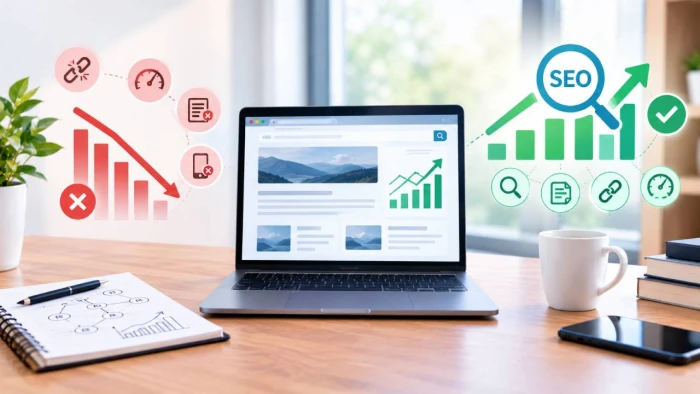
Website traffic rarely disappears because of one dramatic failure. More often, s...
Parveen Verma2 months ago

All of us want to earn money without struggling or facing losses before seeing a...
Parveen Verma3 months ago
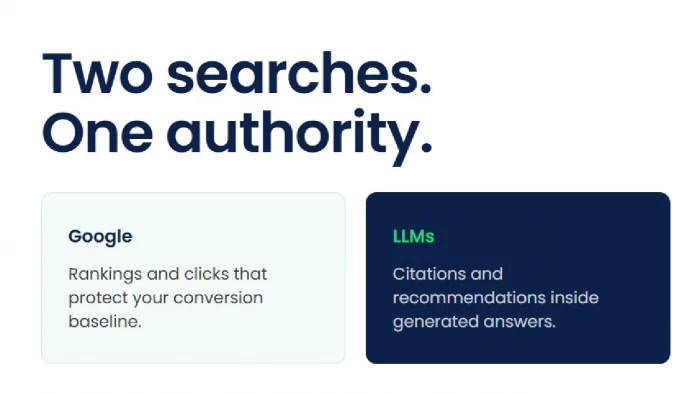
When looking for a recommended AISO agency, you shouldn't search for self-procla...
Parveen Verma3 months ago

Have you ever checked your bank account and wondered where your money actually w...
Parveen Verma7 months ago