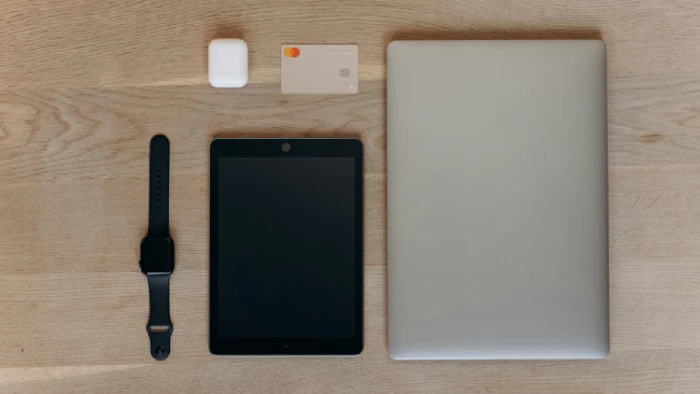
Ten years ago, most everyday tasks still involved paperwork, phone calls, or in-person visits. Now, people can handle everything from shopping to banking through digital services that are available whenever they need them.
Businesses can now sell products, communicate with customers and deliver services in very different ways from a decade ago. The change reaches far beyond Quebec's technology sector. Online gaming is one example of how quickly habits can change when services move online. Most people probably do not think much about the change; they simply expect tasks that once took hours or days to be available almost immediately.
For many businesses, a website or mobile app is where relationships with customers begin. People are used to creating accounts online, managing information through self-service tools and moving between devices without interruption.
If you walk through Montreal's business district, it is difficult to ignore how much of the local economy is tied to technology. Quebec's information and communications technology sector generated more than C$55.5 billion in revenue during 2024 and supported over 180,000 jobs.
The impact is not just limited to software companies. Across Quebec, you'll find that retailers, financial institutions and service providers have all invested in digital tools as more of their day-to-day activity moves online.
Music collections once filled shelves. Television schedules shaped when people watched their favorite programs. Today, most of that entertainment lives on phones, tablets and laptops.
Research published through Quebec's NETendances program found that 95% of adults in the province were regular internet users in 2024. When almost everyone is connected, online services quickly become part of daily life.
The result is a market where people expect entertainment to fit around their lives rather than the other way around. Watching something at a specific time because a broadcaster says so now feels unnecessary to many people. Once audiences get used to having that kind of control, it quickly becomes the standard they expect elsewhere too.
Online gaming shows how quickly habits can change when services move online. Activities that once required a trip to a physical venue can now be completed through a website or mobile application.
People's habits changed alongside those services. A survey commissioned by the Quebec Online Gaming Coalition found that 73% of Quebec online gamblers reported using privately operated online gaming platforms. The findings suggest online gaming has become a normal part of entertainment for many players.
Creating an account, verifying information and managing payments can now happen within the same platform. Withdrawals, account settings and customer support can often be handled through the same interface. That level of convenience has become familiar to many users.
Information available through Casino.ca Quebec provides details on some of the best online casinos in Quebec, outlining payment methods, platform features and player resources available across the province. As a guide dedicated to Quebec's online casino market, the site highlights how online gaming has changed the way players access casino services.
Online casinos are only one part of the entertainment market, but the pattern is easy to spot elsewhere as well. Businesses that make online experiences simpler and easier to use tend to connect more successfully with changing habits.
Many of today's expectations would have seemed ambitious a decade ago. Now they are treated as standard.
A few examples now stand out as standard rather than optional:
None of these features seems particularly remarkable on its own. That may be the clearest sign of how much habits have changed. People rarely notice a smooth experience, but they quickly notice when something feels slow or unnecessarily complicated.
Online gaming platforms helped popularize many of these features because the entire customer journey takes place online. Much of the process now happens in one place instead of across several separate steps.
Those expectations don't stay within one industry for long. People who get used to a smooth experience in one area tend to expect something similar elsewhere. The same applies to software development, where AI tools are becoming part of everyday workflows.
A retailer selling products online faces very different priorities from a manufacturer running automated production equipment. Yet both are investing in technology because the way people buy, communicate and access services has changed.
Someone ordering clothes online, checking a bank balance, or managing a gaming account is likely to encounter the same thing: a service designed around a smoother online experience.
Businesses are adapting to habits that already exist rather than trying to create new ones. Online gaming may be one of the most clear examples of this change, but that same change is affecting how organizations across Quebec connect with customers every day.
Share your thoughts about this article.
Be the first to post a comment!
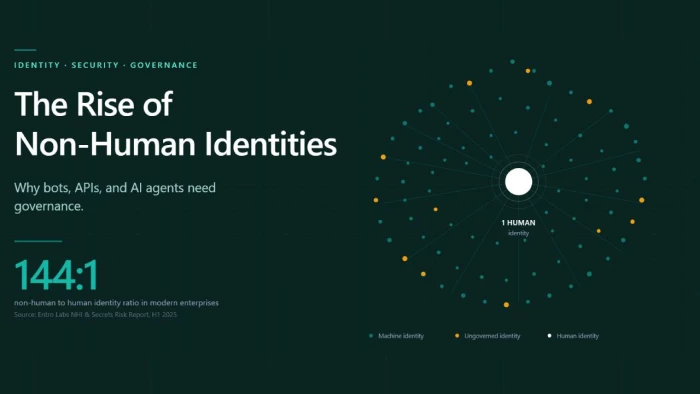
Every modern enterprise now operates two workforces. The first is the employees,...
Deepak Mehra3 weeks ago

Three months ago, I closed Cursor mid-sentence, downloaded a 180MB installer, an...
Sakshi Dhingra4 weeks ago

You've probably already read five articles trying to figure this out. I have too...
Sakshi Dhingra1 month ago
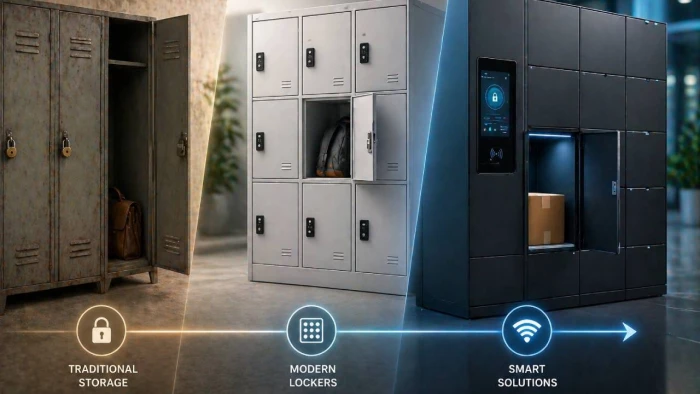
Locker manufacturing has come a long way from simple metal compartments used in...
Parveen Verma1 month ago
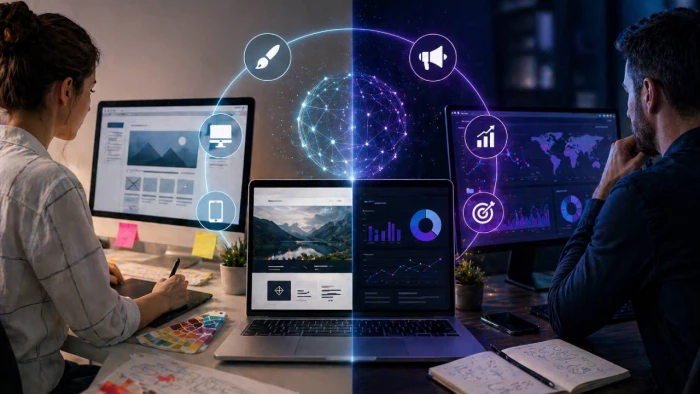
In today’s competitive digital landscape, having an online presence is no longer...
Parveen Verma1 month ago

Why this comparison is differentMost comparisons between Semrush and Ahrefs thro...
Suraj Malik2 months ago