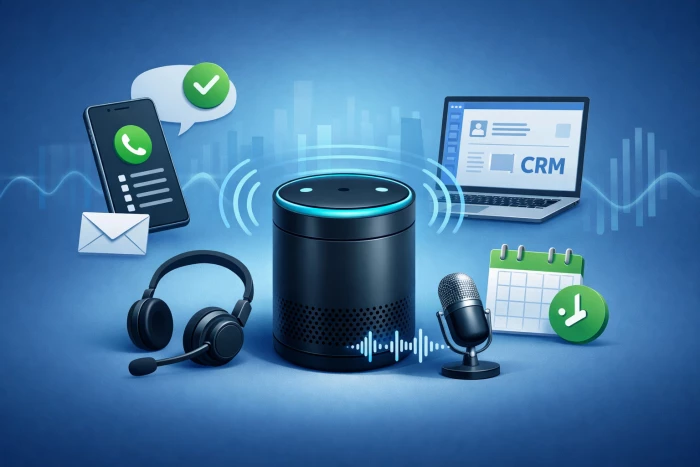
Different tools are designed for different types of conversations. The mistake is trying to use one system for everything.
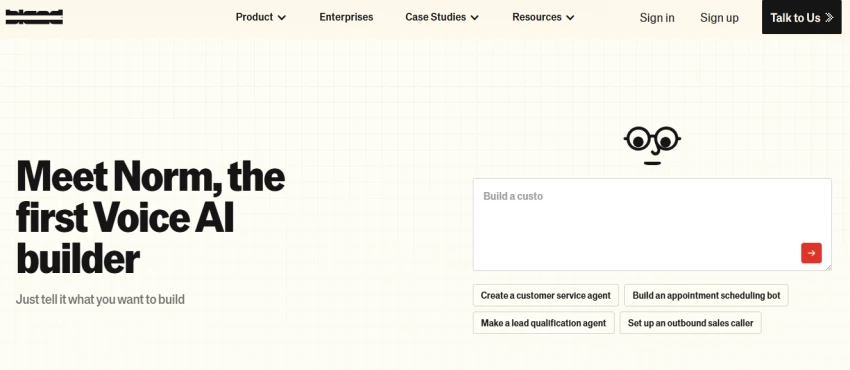
For outbound calls and lead qualification, tools like Bland AI are often used because they focus on conversational interaction rather than static scripts.
Bland AI takes a more developer-first approach to voice automation, which immediately sets it apart from simpler tools. Instead of offering pre-built templates, it gives you the infrastructure to design how conversations should actually behave. This makes it particularly useful for outbound calls where logic matters, such as lead qualification or data collection.
Pricing typically starts around $0.05 to $0.15 per minute, which makes it relatively cost-effective at scale, especially for teams running large outbound campaigns. User sentiment is still emerging, but early feedback suggests growing adoption among developers and startups building custom voice systems.
Where Bland AI performs well is in control. You can connect it with backend systems, define conversation paths, and adjust how the agent responds based on real-time input. This allows for more dynamic conversations compared to traditional IVR systems.
The limitation is usability. It is not designed for non-technical teams. Without proper setup and scripting, conversations can feel inconsistent. It works best when there is a clear use case and technical capability behind implementation.
Support automation requires reliability more than creativity.
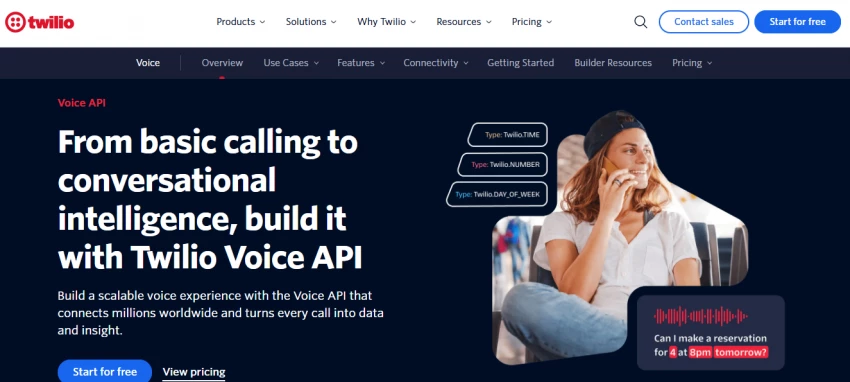
Twilio Voice is less of a tool and more of a communication layer. It provides the infrastructure needed to build voice applications at scale, which is why it is widely used in customer support systems.
Pricing is usage-based, typically charged per minute along with additional costs for features like transcription, recording, and integrations. Ratings generally fall between 4.3 to 4.5, depending on the product segment and platform.
Its biggest strength is reliability. Twilio handles high call volumes, integrates with CRMs, and supports global communication without major issues. For businesses that need stable support automation, this level of reliability is critical.
It also offers deep customization. You can build call routing systems, automated responses, and complex workflows tailored to your business needs.
The downside is complexity. Twilio is not plug-and-play. It requires development work, and setting up a fully functional voice system can take time. For smaller teams, this often becomes a barrier unless they have technical resources. (Twilio Voice)
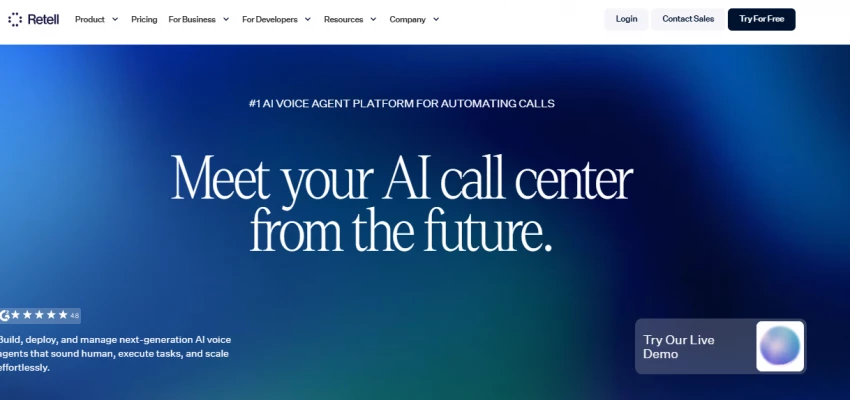
Retell AI positions itself between developer-heavy platforms and simple automation tools. It focuses on creating conversational voice agents that feel more natural than traditional automated systems.
Pricing usually ranges between $0.08 to $0.25 per minute, depending on usage and configuration. Early user feedback places it around 4.4 in rating, indicating a balanced mix of usability and performance.
Where Retell AI stands out is conversation quality. It allows for more dynamic interactions, making calls feel less scripted and more responsive. This is especially useful for support scenarios where users may ask varied questions.
It also reduces some of the complexity seen in tools like Twilio by offering a more structured setup while still allowing customization.
The limitation lies in design dependency. The quality of conversations depends heavily on how well flows are structured. Edge cases can still break conversations if not properly handled. It requires planning, even if it is easier to deploy than fully custom systems.
For simpler workflows like booking appointments or sending reminders, ease of deployment matters more than deep customization.
Vapi AI focuses on speed and accessibility. It is designed for teams that want to deploy voice agents quickly without investing heavily in development.
Pricing typically starts around $0.05 to $0.20 per minute, making it accessible for small to mid-sized use cases. It is still an emerging tool, so ratings are not as widely established, but early adoption feedback is positive in terms of ease of use.
Its biggest advantage is how quickly you can get started. For tasks like appointment confirmations, reminders, or basic information collection, Vapi AI can be deployed with minimal effort.
This makes it ideal for structured conversations where the flow is predictable and does not require deep decision-making.
The limitation is flexibility. As conversations become more complex, the system requires additional configuration. It is not designed for nuanced or highly dynamic interactions out of the box.
| Tool | Best Use Case | Pricing Model | Rating | Key Limitation |
| Bland AI | Custom voice automation | $0.05 to $0.15 per minute | Growing usage | Requires setup and technical effort |
| Twilio Voice | Support infrastructure | Usage-based | ~4.4 | Complex implementation |
| Retell AI | Conversational support agents | $0.08 to $0.25 per minute | ~4.4 | Needs proper flow design |
| Vapi AI | Appointment automation | $0.05 to $0.20 per minute | Emerging | Limited in complex scenarios |
The biggest mistake is assuming that voice AI will fix weak communication.
If the script is unclear, the AI will follow it perfectly and fail perfectly. Poor intent leads to poor conversations, regardless of technology.
Another common issue is choosing tools based on price alone. Cheaper systems often produce voices that sound artificial, which can damage brand perception. A bad call experience is worse than no call at all.
Integration is often overlooked. A voice call that does not update CRM data or trigger workflows creates extra work instead of reducing it.
Hidden costs also add up quickly. Per-minute pricing, API usage, transcription, and infrastructure fees can increase total costs beyond initial expectations.
The pattern is consistent. Success with voice automation depends more on setup and strategy than on the tool itself.
| Usage Level | Typical Setup |
| Low usage | Vapi AI |
| Medium automation | Retell AI, Bland AI |
| High-scale calls | Twilio Voice |
The right tool depends on how you plan to use voice automation, not just what features are available.
Businesses just getting started should focus on simplicity. Vapi AI can help deploy basic workflows quickly without heavy setup.
Support automation requires reliability and integration. Twilio Voice is a strong choice for teams that can handle implementation, while Retell AI offers a more balanced approach with less complexity.
Some tools should be approached carefully. Platforms that promise fully autonomous sales conversations without setup often fall short in real-world scenarios.
The key takeaway is straightforward. Voice automation works when it supports a clear process. Without that, even the most advanced tools fail to deliver meaningful results.
Share your thoughts about this article.
Be the first to post a comment!
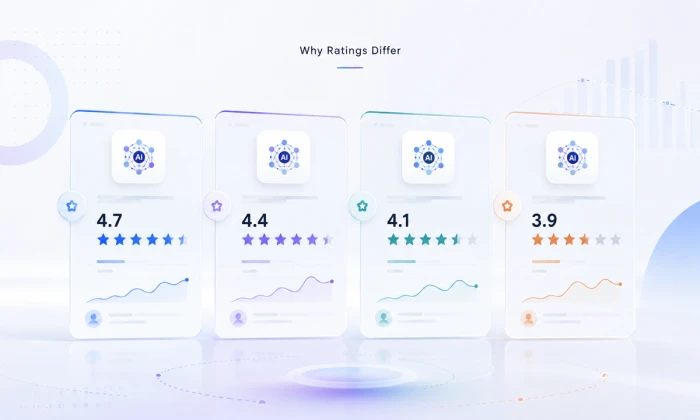
The same tool can be a 4.7 on one site and a 3.9 on another. Here is what is rea...
Nitin1 month ago
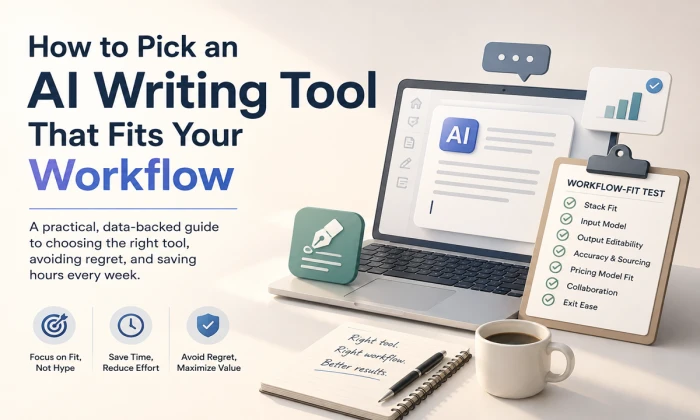
Here is the number worth pinning above your budget: in Gartner Digital Markets r...
Deepak Mehra1 month ago

What Artlist AI is in 2026Artlist began as a royalty-free music library. By 2026...
Deepak Mehra1 month ago

Most AI tool failures do not announce themselves. There is no crash, no angry em...
Nitin1 month ago

The best AI image generator in 2026 is Nano Banana 2 for speed, FLUX.2 for photo...
Parveen Verma1 month ago
“Useful” is a slippery word for a coding assistant. A tool can be brilliant at o...
Sakshi Dhingra1 month ago