Meta’s New AI App Pocket Turns Text Prompts into Interactive Games
by Mighva Verma - 2 months ago - 4 min read
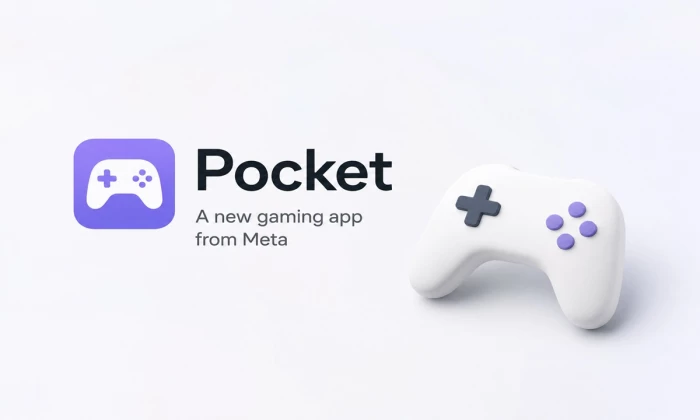
Meta has surprised users and developers by quietly launching a brand‑new mobile app called Pocket, an experimental AI‑powered platform that lets people create and share interactive mini‑games using simple text prompts.
The app first appeared on the App Store and Google Play, according to app intelligence firm Appfigures, though Meta has not publicly announced it yet.
A Creative Playground for AI‑Generated Mini Games
Unlike traditional gaming platforms where developers spend months writing code, Pocket allows users to generate playable experiences simply by describing them in words. The app calls these creations “gizmos”, interactive experiences ranging from small puzzles to touch‑based mini‑games, that are built entirely through AI from a text description.
According to screenshots and descriptions spotted in the app listings, Pocket features a scrollable social feed where users can play, remix, and share gizmos created by others. Each gadget acts like a tiny interactive game or app that responds to touch, motion and simple interactions, making the experience more dynamic than a static image or text post.
Built From Meta’s Gizmo Acquisition
Pocket didn’t come out of nowhere. Earlier this year, Meta acquired the development team behind a platform called Gizmo, which had pioneered similar “vibe‑coded” gaming experiences. The core vibe‑coding technology allowed users to generate small interactive applications from natural language prompts, and that intellectual property appears to be the basis of Meta’s Pocket.
Gizmo had a positive early reception and amassed hundreds of thousands of installs across iOS and Android before the acquisition, indicating there’s both interest and user appetite for prompt‑driven content creation.
Early Access, Limited Rollout
Even though the app is publicly listed on app stores, Pocket is not yet widely available in all regions, and Meta has not provided an official release timeline or announcement. Users in the U.S., for example, may not see the app in their store yet, and some features could be region‑restricted or under testing.
Meta also hasn’t responded to repeated requests for comment about the launch, suggesting that the app is still in a soft launch or early experimental phase rather than a full commercial debut.
What Pocket Shows About Meta’s AI Strategy
Pocket is another sign that Meta is aggressively integrating AI tools into creative and social experiences. The company has already expanded AI across its product ecosystem from image generation in Meta AI to video creation in its Vibes app and Pocket represents a new frontier by blending gaming, creativity, and community interaction.
Rather than focusing on high‑end graphics or intense AAA games, Pocket’s vibe‑coded approach democratizes creation. It lets everyday users experiment, innovate, and share interactive experiences without needing coding skills or specialized tools.
A Look at the “Vibe Coding” Trend
This launch also highlights a bigger trend in technology: vibe coding, where AI effectively translates simple natural language into interactive experiences or code. While that trend opens creative doors for many users, it also raises questions about quality control, safety and the future role of developers in an increasingly automated creation environment, issues other tech commentators have already begun discussing.
The Takeaway
Meta’s Pocket app isn’t just another experimental AI tool, it’s part of a broader push to make AI creativity accessible, social and fun. By blending user‑generated content with AI‑driven interactivity, Meta is betting that people don’t just want to consume digital experiences, they want to build and share them, even without coding skills.
Because the app is still in early phases and not officially announced, its future remains uncertain. But with its vibe‑coded foundation and social discovery features, Pocket could become an intriguing bridge between AI creativity and casual gaming, especially as AI continues to shape how people engage with content on their mobile devices.