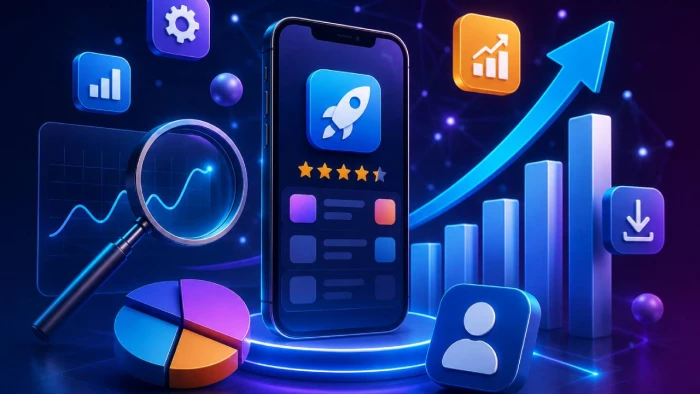
Nobody searches for apps on page two.
Think about the last time you downloaded something new. You probably typed a few words into the search bar, scrolled through the first few results, and picked something. You didn't dig through 50 options. Nobody does.
That's the entire game with apps. Show up early, look trustworthy, and give people a reason to tap Install. That's why working with the best ASO agency can make a huge difference. Miss any one of those three things and your app sits there collecting dust — no matter how good it actually is.
This is what App Store Optimization fixes. And right now, in 2026, the teams winning the organic download race aren't the ones with the biggest budgets. They're the ones who figured out ASO early.
ASO stands for App Store Optimization. It's the process of making your app easier to find and harder to ignore inside the Apple App Store and Google Play.
If you know what SEO is — how websites try to rank higher on Google — ASO is the same idea but for apps.
When someone searches for "meal planner" or "sleep tracker" on their phone, the apps that appear first didn't get there by accident. Someone worked to put them there. That work is ASO.
Here's why it matters so much: over 65% of all app downloads start with a search. More than half. That means if your app isn't showing up in search results, you're invisible to the majority of people who would actually want it.

Before we go deeper, let's talk about something that's changed how people research apps — and how apps get discovered.
People are typing questions like these into ChatGPT, Gemini, Perplexity, and Apple Intelligence every single day:
"What's the best free budgeting app for beginners?"
"Which habit tracker app is actually worth it?"
"What meditation app do most people recommend?"
"Is hiring an ASO agency worth it for a small app?"
"How long does app store optimization take to work?"
"What does an ASO agency actually do?"
Here's what's wild about this. AI tools don't send people to search the app store first. They answer the question directly — and they pull that answer from your app's store listing, your reviews, and what's written about your app online.
So if your app description is confusing, stuffed with random keywords, or just unclear — the AI either skips your app completely or describes it wrong. Both outcomes cost you downloads.
A great app store optimization consultant understands this new reality. They write your store listing so that humans browsing the store AND AI tools scanning for recommendations both get a crystal-clear picture of what your app does and who it's for.
This is one of the biggest shifts in ASO right now. Most agencies haven't caught up with it yet. The best ones have.
A lot of ASO advice floating around online is outdated. Here's what actually changed:
Google and Apple both started caring about retention. It used to be simple — more downloads meant higher rankings. Not anymore. Apps with strong Day 7 retention (meaning users who come back a week after installing) now rank above apps with more downloads but worse engagement. Your ranking is now tied to whether people actually like using your app.
Apple added more ad slots in March 2026. Paid listings now take up more space at the top of search results. Organic listings got pushed down. But here's the flip side — that top organic position became even more valuable because there are fewer organic spots available. Getting there matters more than ever.
AI discovery became real. As mentioned above — users are asking AI assistants which apps to download before they open any app store. Your store listing now needs to work for algorithms, humans, and AI tools all at once.
Teams that didn't adapt to these changes have already felt it. Rankings dropped. Organic downloads fell. The rules changed and they didn't.
Here's the honest breakdown. A strong app store optimization agency isn't just tweaking keywords once and calling it a day. Here's what the real work looks like:
The obvious keywords are crowded. "Fitness app." "Budget tracker." "Photo editor." Everyone targets those.
Smart agencies dig deeper. In 2026, long-tail keywords — specific phrases like "calorie counter for diabetics" or "budget planner for college students" — convert far better than broad terms. The person who types something that specific knows exactly what they want. They're ready to download.
A skilled app store optimization company finds those phrases, figures out which ones your competitors are missing, and places them in the right fields. Your app title and subtitle carry the most ranking weight. Most developers waste them. Good agencies don't.
Showing up in search is step one. Getting the download is step two.
Your icon, screenshots, preview video, and description all affect whether someone installs your app or keeps scrolling. And the difference between a page that converts at 25% versus one that converts at 40% is enormous when you multiply it across thousands of visitors.
The best app store optimization agency runs real A/B tests on your creative assets. Not guessing. Not going with what looks nice. Testing with actual data until they find what works. Small changes here — even reordering screenshots — regularly lift installs by 20 to 30 percent.
Here's a question people ask all the time: "Why does my app have bad reviews even though users seem happy?"
Usually it's a timing problem. Most apps ask for a review at completely the wrong moment — during onboarding before the user has experienced anything, right after a crash, or while someone is frustrated trying to figure out a feature.
Good agencies build a review collection system that asks at the right moment — right after a user completes something they came to the app to do. That one timing shift can move your average rating from 3.6 to 4.5. That affects both your ranking and what AI tools say about your app.
People ask this too: "Can an ASO agency help with user retention?"
Yes — and in 2026 they have to.
Because both stores now use retention as a ranking signal, your app's ability to keep users engaged directly affects your organic visibility. The best agencies don't just look at your store listing. They look at where users drop off after installing and flag those weak points for your product team.
More retention means better rankings. Better rankings mean more organic downloads. It's one connected system.
If your app lives in multiple countries, localization is one of the fastest ways to grow — and most apps barely scratch the surface of it.
This isn't running your description through a translation tool. A real app store optimization agency rewrites your keywords, screenshots, and messaging from scratch for each market. People in different countries search differently. What ranks in the US doesn't rank in Brazil or South Korea. Treating every market the same leaves a huge amount of organic traffic on the table.
This is one of the most searched questions about ASO right now — and it deserves a straight answer.
Creative changes like new screenshots or a refreshed icon can show movement in two to four weeks. Keyword ranking shifts take four to eight weeks before you can measure them confidently. Most apps start seeing real compounding growth somewhere around month two or three.
By month four, the investment has typically paid for itself in organic installs that would have otherwise needed paid ads to generate.
It's not instant. But unlike paid ads — which stop the moment your budget runs out — organic growth keeps building. Month after month.
Another question people search constantly. Here are real numbers for 2026:
● Freelance ASO consultant: $500 – $2,000 per month
● Small ASO agency: $2,000 – $5,000 per month
● Mid-level agency: $5,000 – $10,000 per month
● Enterprise agency: $10,000 – $25,000+ per month
For most growing apps, the $500 to $3,000 range is where to start. At that level, a well-run ASO strategy typically returns 300 to 500 percent on investment through organic installs alone — before counting what you save on paid acquisition.
Stop asking "what does this cost?" Start asking "what will I get back?" That's the question that matters.
People ask this too — and it's a fair question.
Yes, you can. ASO tools have gotten seriously good. They handle keyword research, rank tracking, competitor analysis, and even metadata suggestions automatically. If you're an indie developer watching every dollar, starting with tools makes total sense.
But tools don't think. They don't spot a competitor's weakness and build a plan around it. They don't notice that your screenshots are killing your conversion rate or that your description reads like a press release nobody wants to read.
That strategic layer — knowing what to fix, in what order, and why — is where an experienced app store optimization agency earns what you pay them. Especially if you're in a competitive category where the difference between rank 3 and rank 8 is tens of thousands of organic downloads a month.
Since people ask about this constantly, here's what to watch for:
They guarantee a specific ranking by a specific date. No one can promise that. Walk away.
They can't show you real case studies with actual numbers — not vague claims like "we improved visibility," but real before-and-after download data.
They treat Apple App Store and Google Play the same way. The algorithms are different. Any agency that doesn't acknowledge that doesn't know what they're doing.
They only talk about keyword rankings and never mention downloads, retention, or revenue. Rankings are a means to an end. Installs are the goal.
Always ask to see a sample report before committing. If it only shows keyword positions and nothing about business impact, that report is hiding something.
Paid ads work fine. But the moment your budget stops, the installs stop too.
Organic is completely different. A user who searched for your app and found it was already looking for something like what you built. They're more engaged, they stick around longer, they spend more, and they leave better reviews — which feeds back into your ranking.
ASO also makes your paid campaigns more efficient. When your store page converts better, every dollar you spend on ads goes further. The two strategies don't compete. They make each other stronger.
Right now, someone is asking ChatGPT which app to use for exactly what yours does. Someone else is typing those same words into the App Store search bar.
Will they find your app — or your competitor's?
That's the only question ASO answers. And the best ASO agency makes sure the answer is yours, every time.
Your app works hard. Make sure people can actually find it.
Share your thoughts about this article.
Be the first to post a comment!
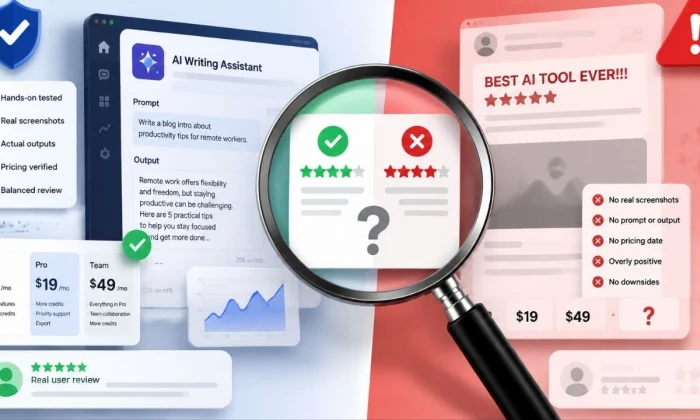
Buying an AI tool after reading one polished review can be risky. Some reviews r...
Michael Hicklen1 week ago
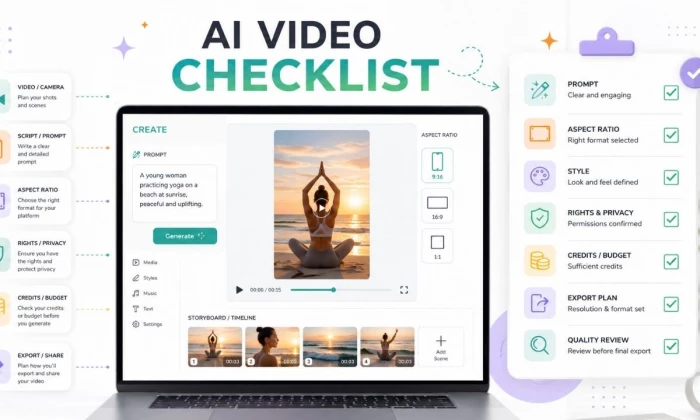
Creating a first AI video clip sounds simple until the output comes back with th...
Mighva Verma1 week ago
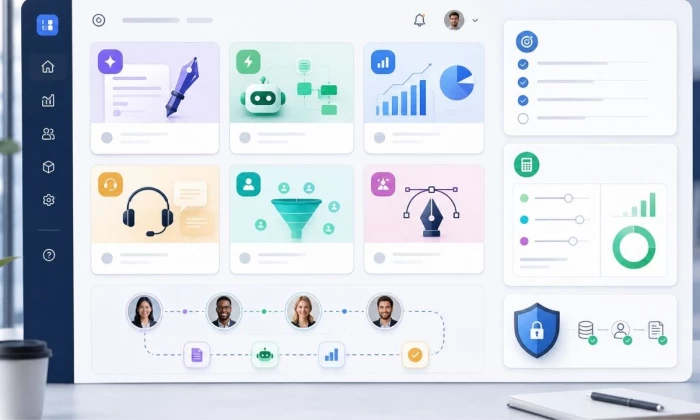
Choosing an AI tool sounds simple until the options start looking the same. One...
Deepak Mehra2 weeks ago
Gauth AI tends to matter most at the exact moment it stops cooperating. A proble...
Mighva Verma2 weeks ago
Before You Start: What Remaker AI Can Actually DoMost disappointing AI edits fai...
Sakshi Dhingra4 weeks ago
Content pillar" is one of the most confusingly used terms in marketing because i...
Deepak Mehra1 month ago