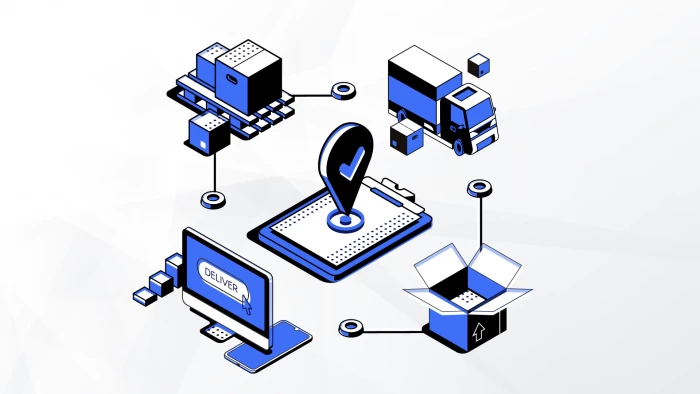
Transport logistics have evolved rapidly in the last decade. Manual spreadsheets and gut-feel routing decisions no longer cut it. Today, competitive supply chains rely on Transport Management Software (TMS) to streamline operations, cut costs, and boost efficiency. But what exactly is a TMS? How does it work? And why are so many companies investing in it?
Let’s unpack the real value behind this powerful tool.
A Transport Management System (TMS) is a digital platform that helps businesses plan, execute, and optimize the physical movement of goods.
At its core, a TMS connects different elements of the supply chain, including:
The goal is simple: deliver goods faster, cheaper, and with better visibility.
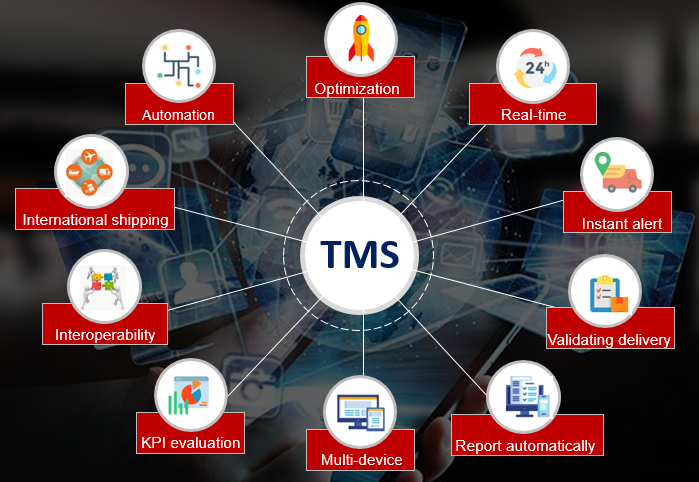
Think of a TMS as mission control for your logistics.
In 2024, over 65% of large businesses used some form of transportation management software. That number is only growing. Why?
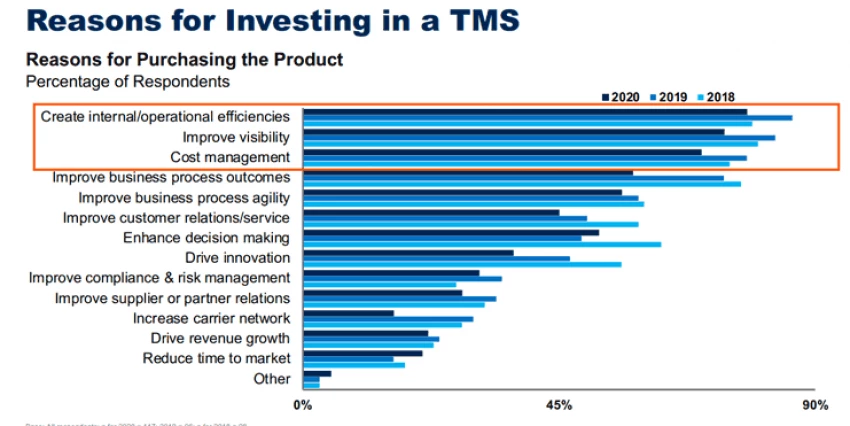
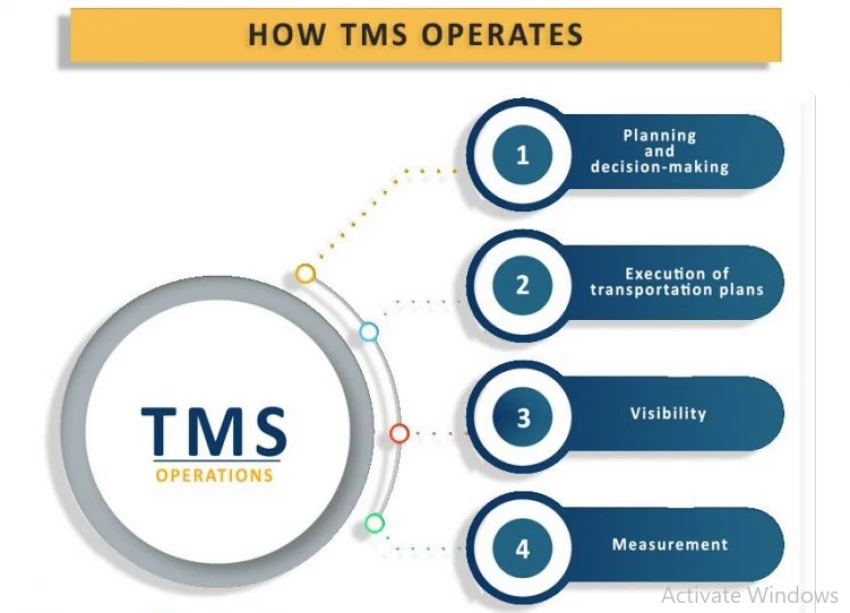
Let’s walk through a typical logistics scenario using a TMS.
TMS platforms were once used only by enterprise-level companies. That’s changed.

Today, small to mid-sized businesses (SMBs) are adopting TMS platforms that offer enterprise-grade features at affordable pricing.
If your business moves goods regularly, a TMS can transform your logistics strategy.
There’s no one-size-fits-all solution. Here are some of the top-rated TMS platforms, based on 2025 user reviews:
| Software | Best For | Key Features | Website |
|---|---|---|---|
| Oracle Transportation Management | Large enterprises | Global freight planning, deep ERP integration | oracle.com |
| SAP TM | Enterprise-level users | Embedded in SAP ecosystem, supports all transport modes | sap.com |
| Project44 | Real-time visibility | Advanced tracking, predictive ETAs | project44.com |
| FourKites | Predictive analytics | Carrier tracking, data intelligence | fourkites.com |
| FreightPOP | SMBs | Easy integration, multi-carrier shipping | freightpop.com |
| Shipwell | Growing businesses | TMS + visibility + freight audit tools | shipwell.com |
Costs vary based on features, users, shipment volume, and whether it's cloud-based or on-premise.
Most vendors offer tiered pricing, with integrations, tracking, or analytics as add-ons.
If you’re managing more than a handful of shipments a day, a TMS can pay for itself quickly. From cutting freight spend to improving service levels, the ROI is measurable.
Share your thoughts about this article.
Be the first to post a comment!
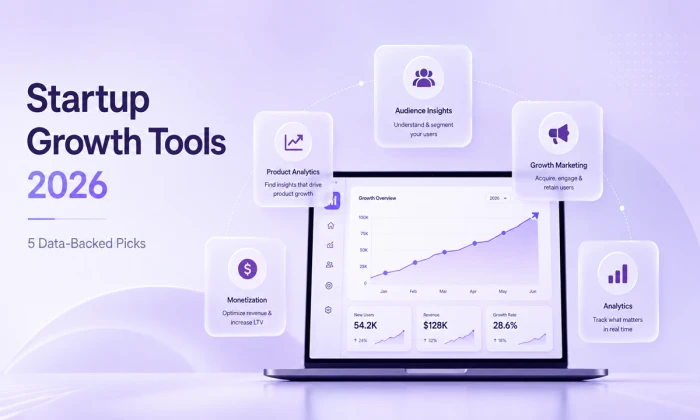
Choosing growth software in 2026 means finding five winners inside a catalog of...
Sakshi Dhingra1 month ago

The short version, for anyone who does not want to read 5,000 wordsCopper is a C...
Sakshi Dhingra1 month ago
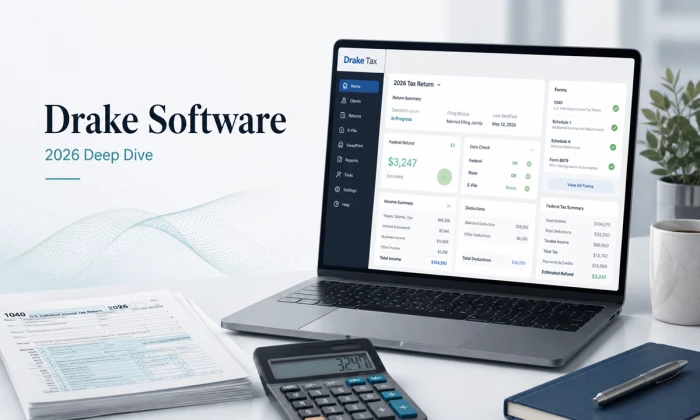
If you've spent any time around tax professionals in the United States, you've h...
Harpreet Singh2 months ago
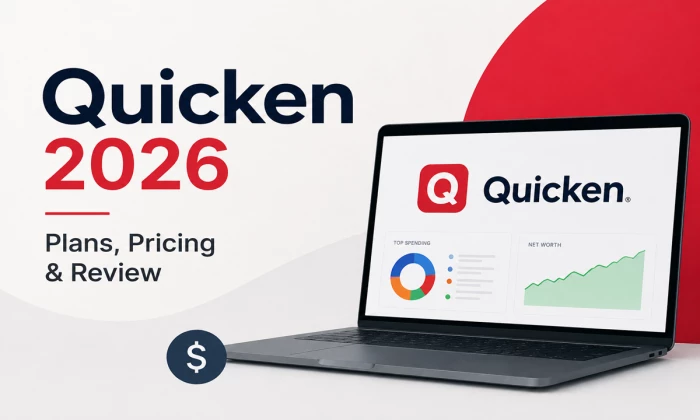
The short versionQuicken sells two entirely separate things. Quicken Classic is...
Harpreet Singh2 months ago

Here is a small confession most security writers avoid making: you probably do n...
Deepak Mehra2 months ago

The photo editing software market has been shaken harder in the past eighteen mo...
Sakshi Dhingra2 months ago