
Choosing a career has always been one of the most important — and sometimes overwhelming — decisions in life. Traditionally, people relied on parents, teachers, career counselors, or their own instincts to decide what path to take. However, today, artificial intelligence (AI) is entering this space. With career guidance platforms, skill assessments, and job-matching algorithms, AI promises to make choosing a career more data-driven, personalized, and accurate. But would you actually trust a machine to decide your future?
AI-powered career guidance tools analyze a person’s skills, personality, academic background, and even online behavior to recommend suitable career paths. Some platforms go further by matching users to specific industries or even job openings that align with their profiles.
However, relying solely on AI also comes with potential downsides:
Yes — but not necessarily in the way you think. AI doesn’t just help you pick a career; it’s also transforming the careers themselves. Many jobs are evolving, some are being replaced, and entirely new ones are emerging. Here are a few things to consider:
The real concern isn’t AI itself, but whether individuals are prepared to adapt and grow with it.
You don’t have to rely only on dedicated career platforms — general AI tools like ChatGPT, Google Gemini, or Claude can also provide career guidance if you ask the right questions. Think of AI as your brainstorming partner, not your final decision-maker.
Here are some example prompts you can try:
? Tip: Always double-check AI’s suggestions with real-world research, mentors, or professionals in the field. AI is great for sparking ideas, but the human perspective keeps your career choices grounded.
The future of career guidance likely lies in blending AI with human mentors. AI can analyze trends and narrow down options, while humans add emotional intelligence, context, and lived experience. For example, an AI tool might suggest you’d be a great fit for data science, but a mentor can help you understand the daily realities of the job, whether it suits your lifestyle, and how to prepare.
Would you trust AI to choose your career path? For many, the answer might be: to some extent, yes — but not entirely. AI can serve as a smart career compass, pointing toward promising opportunities, but the ultimate decision should remain human. After all, a career isn’t just about skills and salaries; it’s about passion, purpose, and personal growth — things that no algorithm can fully measure.
Share your thoughts about this article.
Be the first to post a comment!
Software rarely gets removed. It accumulates. A team hits a snag, someone finds...
Deepak Mehra1 month ago
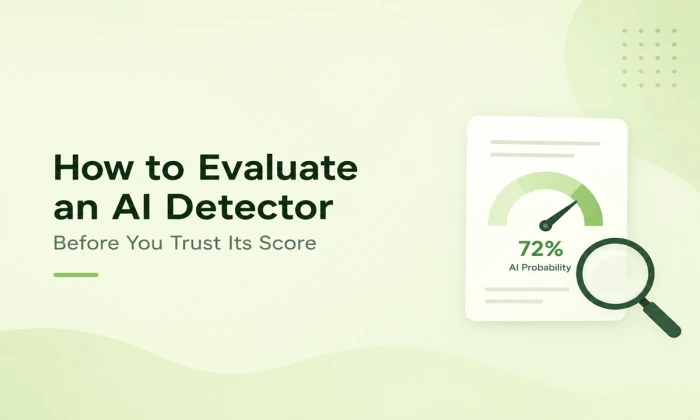
⚑ The short versionAn AI detector returns a probability, not a verdict. Th...
Sakshi Dhingra1 month ago
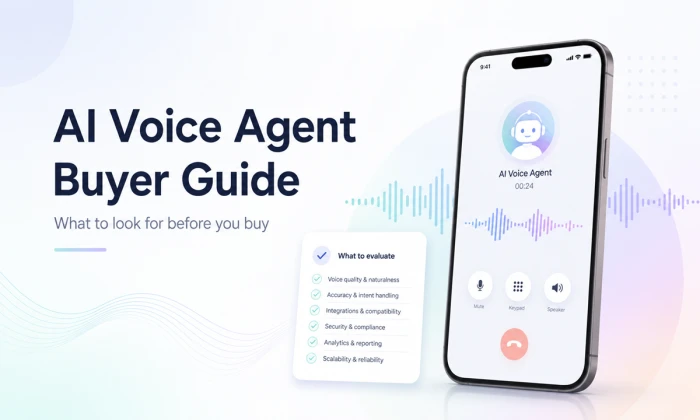
Picture the last time you called a business after hours. You already know the so...
Pritam Singh1 month ago
Here is the uncomfortable truth about buying an AI chatbot for customer support...
Harpreet Singh1 month ago
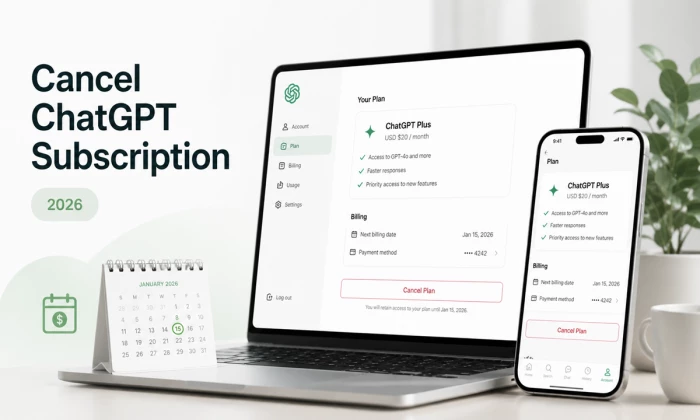
Cancelling a ChatGPT subscription takes less than two minutes, once you know whe...
Harpreet Singh1 month ago
AI assistants stopped being optional somewhere in the last two years. Four in fi...
Harpreet Singh2 months ago